
 Aahana Swrup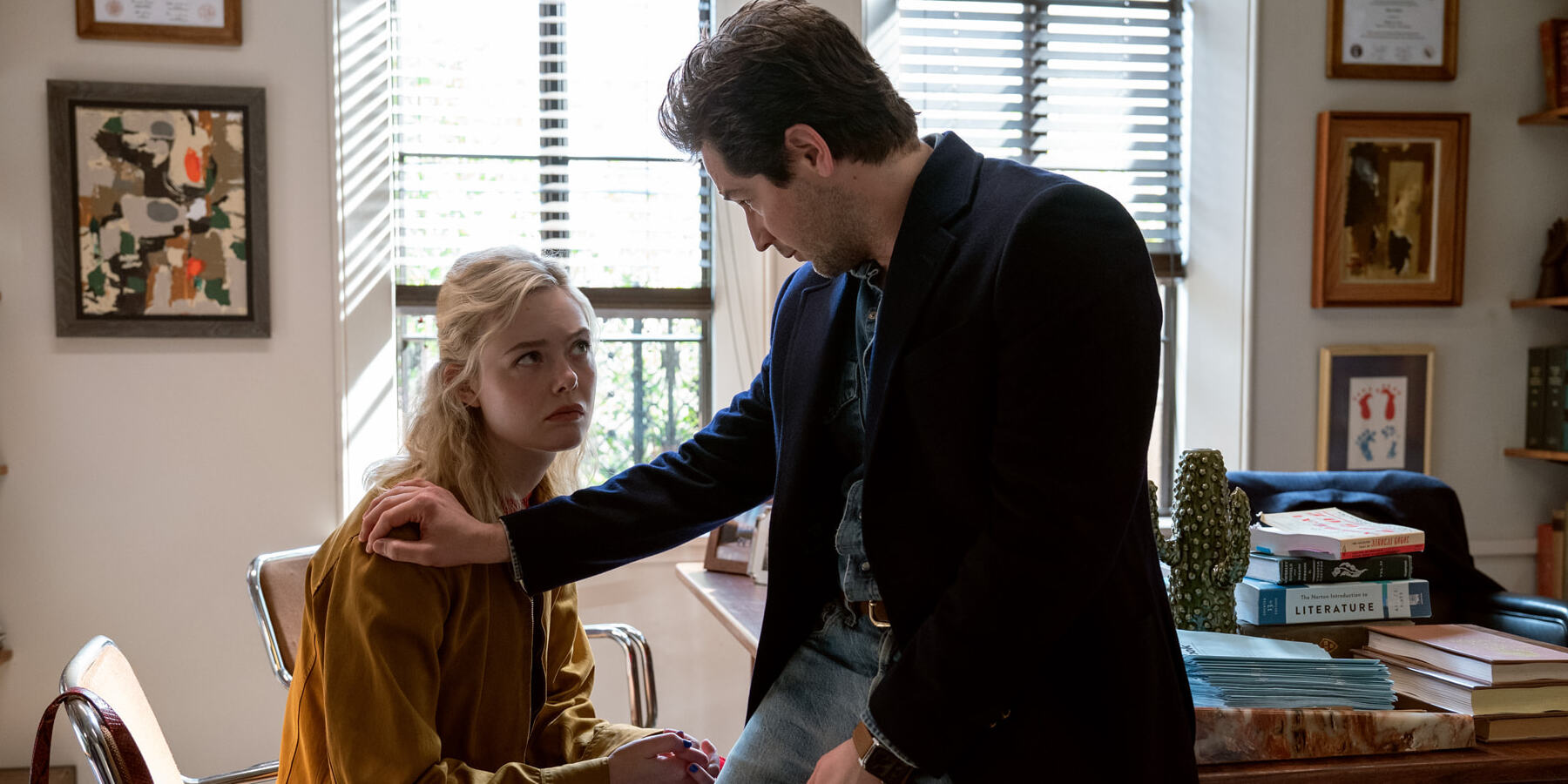
Created by David E. Kelley, ‘Margo’s Got Money Troubles’ is a captivating series about a young woman traversing the trenches of single motherhood and debilitating unemployment. Margo Millet is a promising young student at Fullerton Community College whose exceptional writing skills bring her close to her lit professor. However, their classroom dynamic quickly turns into an extramarital affair, which inevitably results in a pregnancy. While the professor wants nothing to do with the pregnancy, Margo decides to keep the baby.
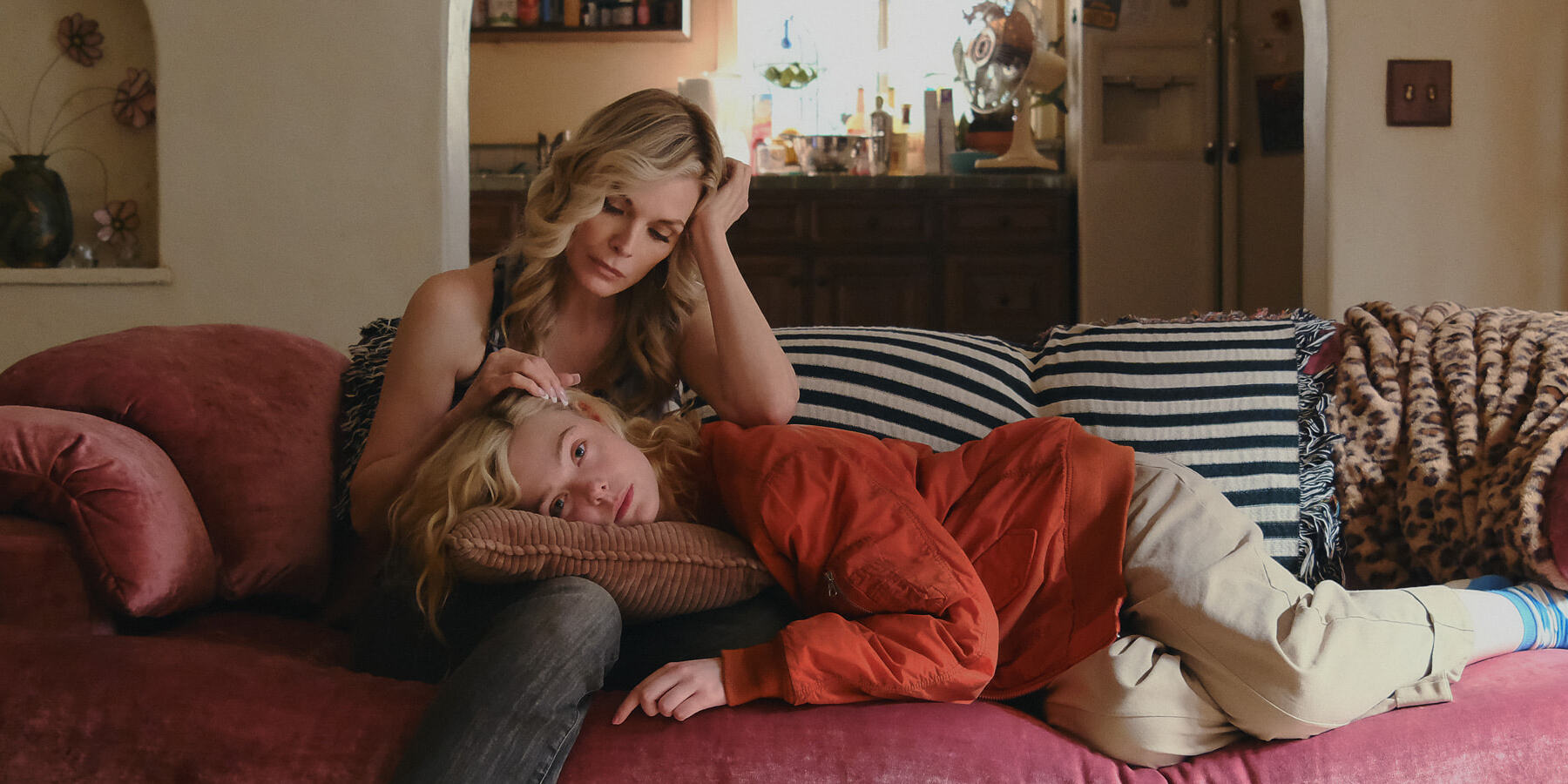
However, it’s only once baby Bodhi comes along that the young college dropout finds out the fiscal cost of motherhood. Even with the support of her mother, Shyanne, a single parent herself who is now dating a man of the Church, and her estranged father, Jinx, a former pro wrestler, Margo still needs a stable income. Thus, she finds herself dipping her toes into the world of OnlyFans, which becomes a whirlwind adventure of its own. Despite its detachment from any biographical reality, the Apple TV series finds its footing through realistic characterization and a relatable thematic identity.
Margo’s Got Money Troubles is Based on Rufi Thorpe’s Novel About Motherhood and Sex Work
‘Margo’s Got Money Troubles’ presents a realistic and engaging story about single motherhood, sex work, and the unique intersection of the two. Even though the show remains a work of fiction with no direct inspiration in reality, it notably draws on the eponymous Rufi Thorpe novel from 2024. The novel itself is also fictitious, but it tells a realistic story about grounded characters and their relatable lives. The author got the idea for Margo’s character and her narrative from the societal perception of women, particularly as observed through the Madonna–whore complex. The psychological phenomenon, identified by Sigmund Freud, suggests that, under the complex heterosexual, cisgender males, as a society, might place women in two categories.

The first category, Madonna, is reserved for women who are pure, virtuous, and subsequently sexless. The other category is for women who are sexual and thus deemed to be manipulating. When confronted with the idea of the same complex, Thorpe came up with the idea to create a character who would fit into both binaries in nuanced, complex ways. Initially, conceptualizing this idea proved to be a challenge. The author discussed the same in a conversation with Elena Bowes. She shared, “I thought I’d never be able to do it. There’s all this cultural stigma against sex work, and there’s this tendency to put mothers on such a pedestal and judge them so harshly over things like using formula or what sleep training method they use.”
However, something changed during the COVID-19 pandemic. As quarantine and lockdown measures grew, Thorpe noticed that many of the stand-up comedians she followed started accounts on OnlyFans, a subscription service known for explicit content. Simultaneously, as OnlyFans began to take a more prominent place in the limelight of cultural conversations, the idea and perception of sex work began to somewhat change with it. Thus, Thorpe found the ideal nucleus to build Margo’s world around. She added in the Elena Bowes interview, “(And I thought, oh,) This is the paradigm where people would be more willing to have the conversation without it suddenly getting collapsed into black and white.” Thus, even without a direct basis in real-life ‘Margo’s Got Money Troubles,’ it retains a socially relevant foundation that adds to its sense of realism.
Margo’s Got Money Troubles Required a Deep-Dive Into OnlyFans Culture
The OnlyFans platform plays a significant and fundamental role in ‘Margo’s Got Money Troubles.’ As a result, it was crucial for Rufi Thorpe to have an effective, realistic understanding of the platform and its cultural reality to shape Margo’s character. To do so, the author decided to go straight to the source and consult real-life OnlyFans creators. Initially, finding a consultant for the topic proved unusually difficult, given the privacy measures most creators tend to enforce for their online work. For the same reason, Thorpe had to create an account herself and send messages with a $50 tip to creators, introducing herself as a novelist seeking authentic research on the industry and profession.
Although there was a lot of hesitancy, even with financial compensation, Thrope was able to work with a number of models and sex workers who were open to answering some of her questions. Eventually, she came across an OnlyFans model with a history in publishing who was open to reading her entire manuscript within a consultancy capacity. Ultimately, this became a huge resource for the author in understanding the mechanics of the digital sex work industry and the dynamics between creators and their followers. Consequently, this created an authentic source material for the show’s creator, David E. Kelley, and his writers’ room. Even so, the show’s screenwriters conducted their own research on the platform to ensure they had a realistic understanding of this crucial storytelling element.
Margo’s Got Money Troubles Diverges a Bit From the Source Material, But Maintains the Characters’ Authenticity
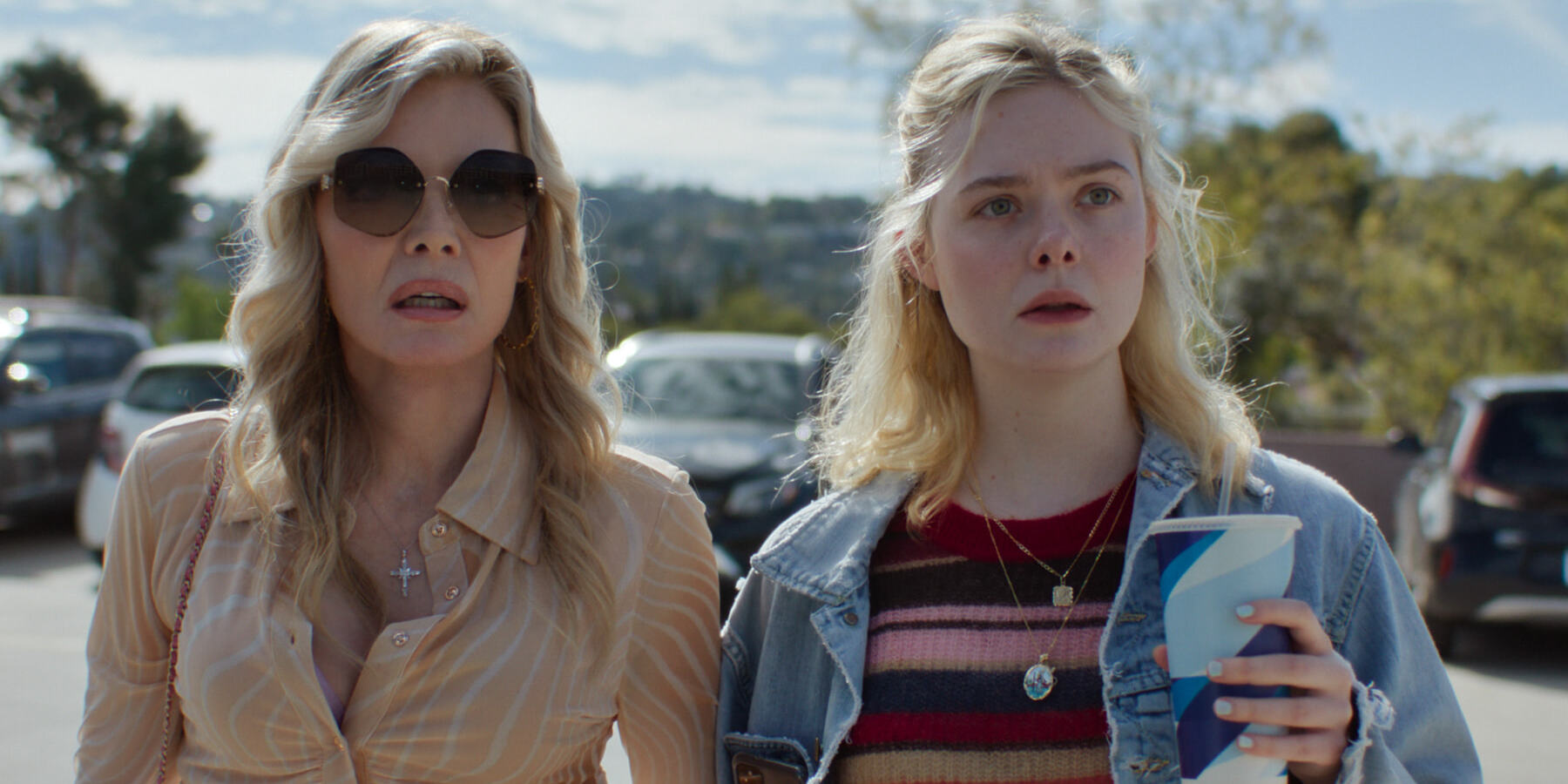
For the most part, ‘Margo’s Got Money Troubles’ remains faithful to its source material and authentically adapts Rufi Thorpe’s novel. Yet, in translating the story for the screen, some differences are bound to emerge. The author herself was pleasantly open to significant divergences in the adaptation and largely cared more about the overall vision than the smaller details. David E. Kelley’s adaptation retains most of the elements that make up this overarching vision. The series focuses on the intricate relationships between Morgan and her parents, both flawed in their own ways. Furthermore, it highlights the complications a baby can introduce into a young single mother’s life, as well as the high points.
Yet, the series makes several significant cutbacks in adapting the novel’s storyline. The most notable example of the same remains the romantic relationship that develops in the book between Margo and JB, one of her followers and customers. The relationship ultimately proves misaligned with the series’ unique identity, and its mechanics are difficult to translate into an audio-visual medium. Additionally, the character of a lawyer is turned into an ex-pro wrestler and a friend of Margo’s father, Jinx. This change allowed for a unique new storyline that replaced an identical beat in the book with something different, but dynamic. Ultimately, Thorpe’s book provides a grounded, authentic foundation for the otherwise fictional series.
Read More: Is Beast (2022) Based on a True Story?


You must be logged in to post a comment.