
 Diksha Sundriyal
Netflix’s ‘The Witness‘ follows the true story of the investigation into the murder of Rachel Nickell. The three-part series examines the aftermath of her death and the impact it had on her family, while highlighting the failures of the system. While the cops look for the killer, a detail about the murder stands out, raising questions about what the killer’s thought process was at the time. While he killed Rachel, he left her two-year-old son, Alex, who is also haunted by the question of why his mother was subjected to such a brutal fate. SPOILERS AHEAD.
Robert Napper’s Difficult Childhood Could Explain His Troubled Psyche
23-year-old Rachel Nickell was sexually assaulted and stabbed 49 times by Robert Napper on July 15, 1992. Two-year-old Alex was found next to his mother, alive but shaken, and the sole eyewitness to the murder. He had minor scrapes and bruises but was largely uninjured. The crime was described by Met Police forensic detective, Ron Turnbill, as “monstrous” and “the worst crime scene,” which “just looked like a frenzied attack.” Given the extent of brutality, the investigators questioned what made the killer leave the child behind, especially since he had seen the killer’s face and could identify him.
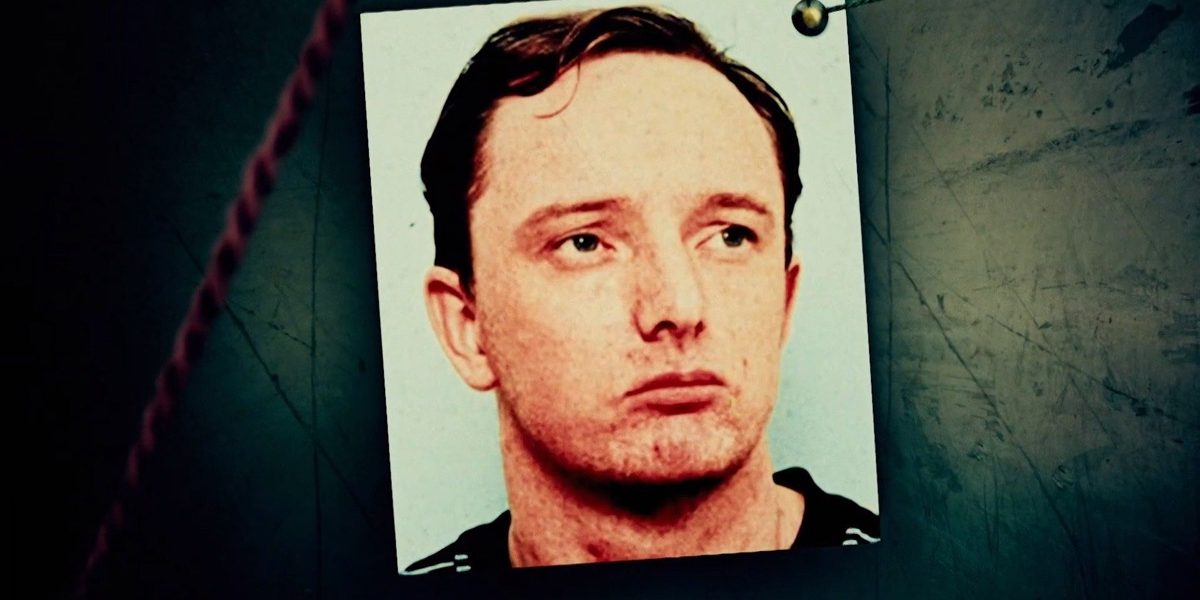
This question became even more pressing with the fact that Napper had also killed Samantha Bisset on November 3, 1993. But he did not leave her 4-year-old daughter, Jazmine, alive. There is no way to confirm what was going on in the killer’s mind during both murders because he has never talked about them. However, psychiatrists and criminal psychologists have presented their theories and speculations about it based on Napper’s background. When he was brought into custody for the Bisset murders, he was diagnosed with paranoid schizophrenia and had Asperger’s syndrome.
A look into Napper’s past revealed a troubled childhood. His parents had a violent and abusive marriage, with his mother and himself receiving the worst of it at the hands of his father. Eventually, his parents got divorced, and for a time, he and his siblings were placed in foster care. Since he wasn’t yet diagnosed with Asperger’s, he suffered from social isolation and was not able to connect with his peers and make friends. When he was thirteen, he was sexually assaulted by a friend of the family, who was reported and sent to prison. The trauma of the assault made Napper even more reclusive and made him obsessed with cleaning.
Robert Napper’s Violent Tendencies May Have Been Directed Towards His Mother
Over time, Robert Napper’s mother noted the changes in his personality. He had started bullying his siblings and was found spying on his sister when she was naked. His mother tried to get him psychiatric help, but it didn’t work. Things got worse as he started stalking people. In 1989, he told his mother that he had sexually assaulted a woman in Plumstead. She reported it to the cops, but because they did not find any cases matching the description, they did not pursue the complaint. Later, the case did come to light, but by then, Napper’s mother had already cut him off, and he had progressed to worse crimes.
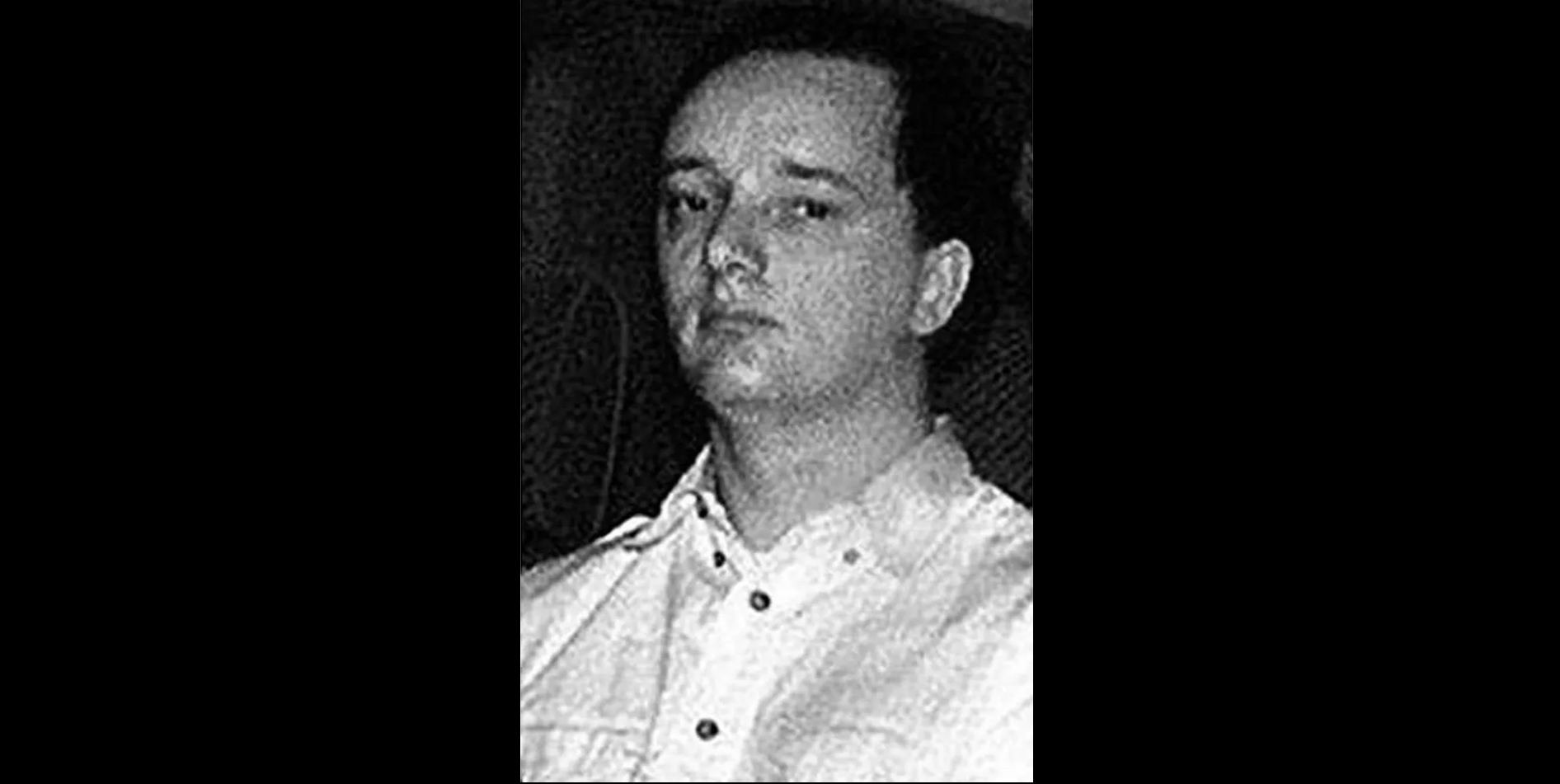
In their book, ‘Killer in the Shadows: The Monstrous Crimes of Robert Napper,’ Professor Laurence Alison and Marie Eyre delve into the killer’s psychology, calling him a “textbook example” of a person caught up in the violent, masochistic, and sadistic leanings. They noted that his choosing a mother and her young child as his victims was a reflection of his own childhood and his relationship with his mother. In the Netflix series, Napper’s psychiatrist tells a grown-up Alex that when Napper killed Rachel and other women, he was seeing in them his own mother, whom he was punishing over and over again.
It is possible that Napper detested the victims whom he saw loving their children the way he hadn’t been loved by his own mother. It is also possible that he enjoyed their helplessness as they tried to protect their child, finding gratification in their pain of not being able to save their child. It likely gave him a sense of power he didn’t have in his regular life. The fact that his violence was primarily directed towards women could explain why Napper left baby Alex alive. If he saw his mother in Rachel, then he must have seen Alex as a representation of his own childhood.
The System’s Failure to Capture Napper is Also a Factor in His Crimes
When Robert Napper attacked Samantha Bisset, it is possible he didn’t connect with Jazmine the way he did with Alex. In the girl, he likely saw his sister or some other girl who had been the victim of his peeping and stalking. Or perhaps, in some twisted way, he saw her as an extension of Samantha, who, in turn, reminded him of his own mother, which is where he directed his anger. And so, he killed little Jazmine. All of this, however, is speculation based on what may or may not have been going through his mind. It is highly likely that Napper had intended to kill Alex, but the boy’s mother defended him with her life.

Perhaps Napper heard someone coming, or he broke out of whatever frenzy took hold of him at the time he decided to take a person’s life. Unless the killer himself reveals why he did what he did, one can only try to piece together the puzzle of his fractured psyche. However, what one cannot ignore is the fact that there was a lapse on the side of the cops who had a chance to apprehend him before he committed his most violent crimes. Between 1989 and 1993, he had been considered a suspect in a series of sexual assaults in southeast London, called the Green Chain rapes.
Reportedly, Napper was removed from the list of suspects because the investigating officers believed he was too tall compared to the description given by certain witnesses. Reportedly, Napper was asked to come in for a blood sample, but he never showed up, and the officers didn’t follow up on his complete evasion. Several people, including Rachel Nickell’s boyfriend, Andre Hanscombe, believe that if the cops had followed up properly back then and arrested Napper, he wouldn’t have been left free to walk the streets and inflict the horror and pain on Rachel, the Bissets, and several other women.
Read More: Alex Hanscombe: Where is Rachel Nickell’s Son Now?


You must be logged in to post a comment.