
 Abhiroop Das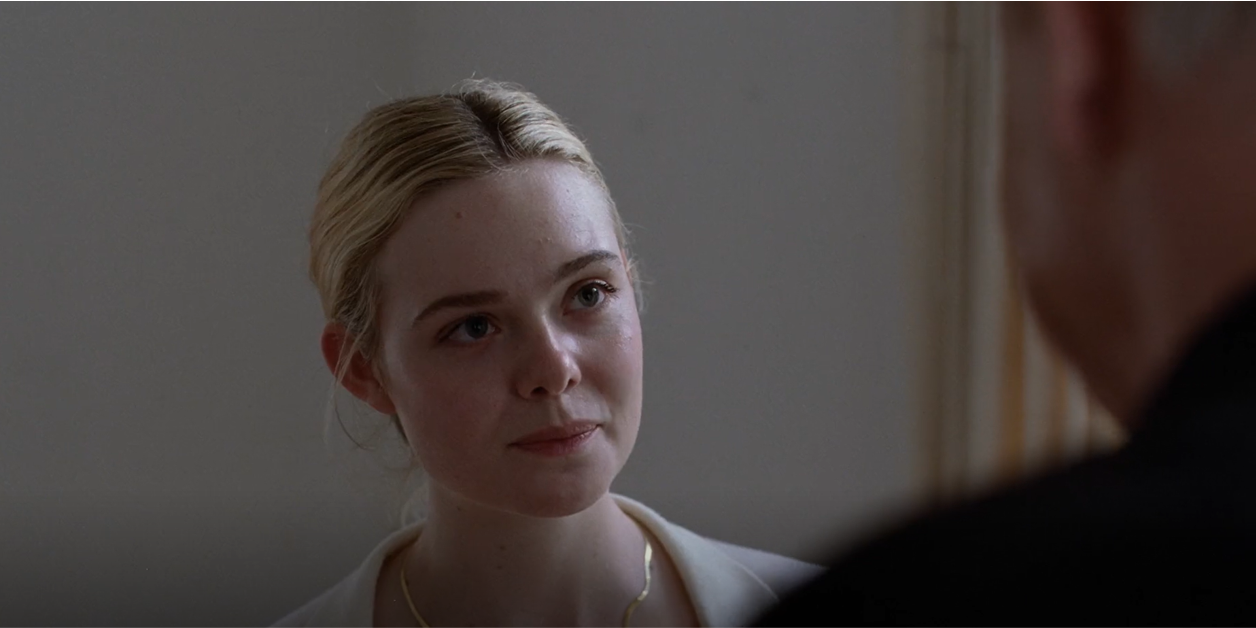
Helmed by Joachim Trier, ‘Sentimental Value’ follows two sisters, Nora and Agnes Borg, whose fraught relationship with their father, legendary filmmaker Gustav Borg, comes to a head following a tragedy. When Gustav returns to their family home in Norway, decades’ worth of trauma and emotional burdens spring back into life. Things become even trickier when he decides to make his most personal feature film yet, fictionalizing his family history in the process. Thus, the Norwegian tragicomedy drama movie sifts through time and memories to create an intimate portrait of family life and struggles, complete with the interpersonal nuances that give relationships their depth and sense of realism.
Sentimental Value is a Fictional Tale Partially Inspired by Joachim Trier’s Personal Life
While ‘Sentimental Value’ is a fictitious story penned by Joachim Trier and Eskil Vogt, a portion of the screenplay was loosely influenced by Trier’s personal history and lived experiences. He has clarified that while the movie is not biographical in nature, there are still story beats that he identifies with, both as a person and as a writer and director. Trier particularly found a connection between the film, with its probing into trauma and legacy, and his own grandfather, Erik Løchen, who was a famous Norwegian director and jazz musician. Løchen was reportedly a resistance fighter in World War II, having been imprisoned by the Nazi occupation twice during that period. After the war, he became a jazz musician before turning to filmmaking.
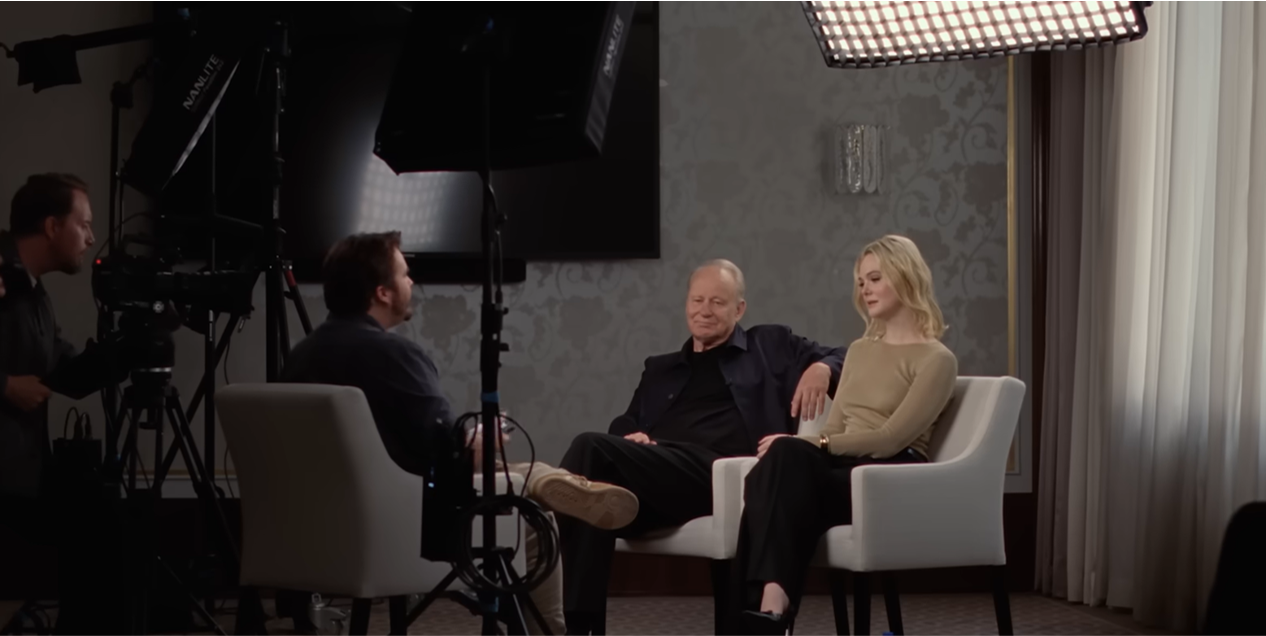
Trier laid out his own interpretation of these events in an interview with Roger Ebert, stating, “He (Løchen) made films after the war, and I think that was a way to survive and find a place in the world again. He was creating something and seeking meaning in it.” The same idea finds a fictionalized expression in Trier’s movie, which is about a filmmaker pouring his heart out in what is set to be his swan song directorial. Upon discovering witness records of his grandfather’s imprisonment, Trier was reminded of how historical context shapes generational trauma. In a conversation with Deadline, he added that his grandfather “was a man who was so deeply traumatized by the experience of war and how that affected my family in direct and indirect ways, and raising children, thinking that it takes at least three generations to lay things to rest.”

Trier and Vogt’s rendition of the theme takes center stage in their movie, which emphasizes kindness and empathy as a way to navigate complex family dynamics. However, for the writer duo, the missing piece in the film’s thematic puzzle came sometime later, with a single phone call. In an interview with The Emory Wheel, Vogt recalled the moment when Trier was told by his mother on the phone that she was selling the family house, which they had owned for over a century. This news ultimately inspired Vogt and Trier to center the film’s narrative around a house, as it perfectly encapsulates their commentary on the limits of human perspective and emotionality. This does not imply that the Borg family house in the movie is directly molded after Trier’s experiences, but instead points to the thematic link between what is real and what is invented. While ‘Sentimental Value’ may be a fictional construct, real-life details from the makers’ lives nevertheless served as vague reference points.
The Cast of Sentimental Value Poured Additional Layers of Realism Into the Story
Trier has stated that while he identifies with bits and pieces of several characters in the story, he still invites the actors’ unique interpretations of the work and how they bring it to life on screen. For veteran actor Stellan Skarsgård, stepping into the role of Gustav Borg was a particularly refreshing experience, largely due to the character’s subtleties. His chemistry with his co-stars, particularly Elle Fanning, was also integral to making the on-screen portrayals as realistic as possible. The duo reportedly rehearsed over the course of a long weekend solely to figure out and refine their characters’ dynamic and the nuances that come with it.

For Renate Reinsve, who plays the role of Nora Borg, the process of embodying a character was accompanied by a deep emotional involvement, particularly in how she channeled her fears and anxieties. “I really know how to facilitate my fear. My fear is my friend,” she told The Playlist, before explaining, “I feel I can kind of delegate it into the character and know how to use it.” In the same interview, she revealed that her character, Nora, was initially inspired by the character of Julie, whom she portrays in ‘The Worst Person in the World,’ also directed by Trier. However, as ‘Sentimental Value’ took shape, Nora grew into her own character, distinct from her fictional antecedent.
As the story revolves around two sisters, the process of writing about female characters serves as a linchpin to the movie. Talking about such complexities, Trier shared with Deadline that “The idea of writing women when you’re a man, I never found it problematic, and I don’t know why. Eskil and I, we sit there and we’re not those characters anyway. And we both have sisters, by the way, and we both have female partners who have sisters.” Trier continued by explaining his interest in the vulnerabilities of people and how he has always prioritized their self-perception and identities over their gender as a narrative anchor.
Read More: Is The Abandons a True Story? Are Fiona Nolan and Constance Van Ness Based on Real People?


You must be logged in to post a comment.