
 Aahana Swrup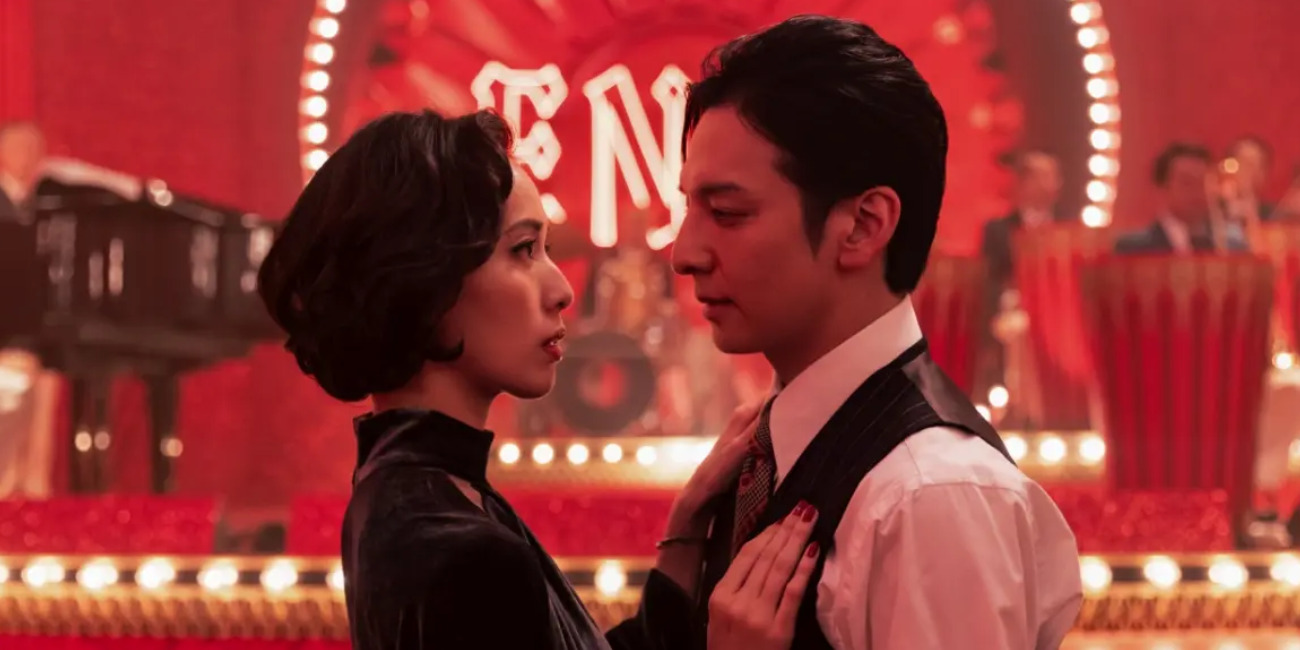
In ‘Straight to Hell,’ the narrative traces Kazuko Hosoki’s progression from a post-war, poverty-stricken childhood to achieving coveted success and wealth later in life. However, the journey between the two points presents many formidable challenges in the woman’s life. Kazuko enters Tokyo’s nightlife at an early age as a hostess at a cabaret bar. From there, it doesn’t take long for her to grow disillusioned about being exploited as a female worker. For the same reason, she dares to go into business for herself.
After many small victories, she finally opens up a hostess club of her own, Kazusa, in the city’s most high-end district, Ginza. Eventually, as her business expands, she opens more locations, Dahlia and Shinzan, before finally opening a grand new place, Club Enka. All of these clubs represent different stages in the woman’s life before she eventually settled into her vocation as a fortune teller and a TV personality. Notably, these on-screen locations possess a tangible basis in the real Kazuko Hosoki’s real life.
Kazuko Hosoki was a Well-Known Club Owner in Her Teens and Early 20s
For the most part, ‘Straight to Hell’ portrays a realistic account of the life of Kazuko Hosoki. Culturally, she’s best known for her work as a fortune teller, who made frequent television appearances, had her own show, and penned numerous books. However, the shoe dives deep into Hosoki’s life, including her early beginnings. Thus, her career as an entrepreneur and a club owner while she was in her 20s became a prominent center of the show. Notably, in telling the TV personality’s life story, the series employs ample creative liberty, often changing the names of characters with instrumental influence on Kazuko’s life, dramatizing them, or outright fictionalizing their presence.
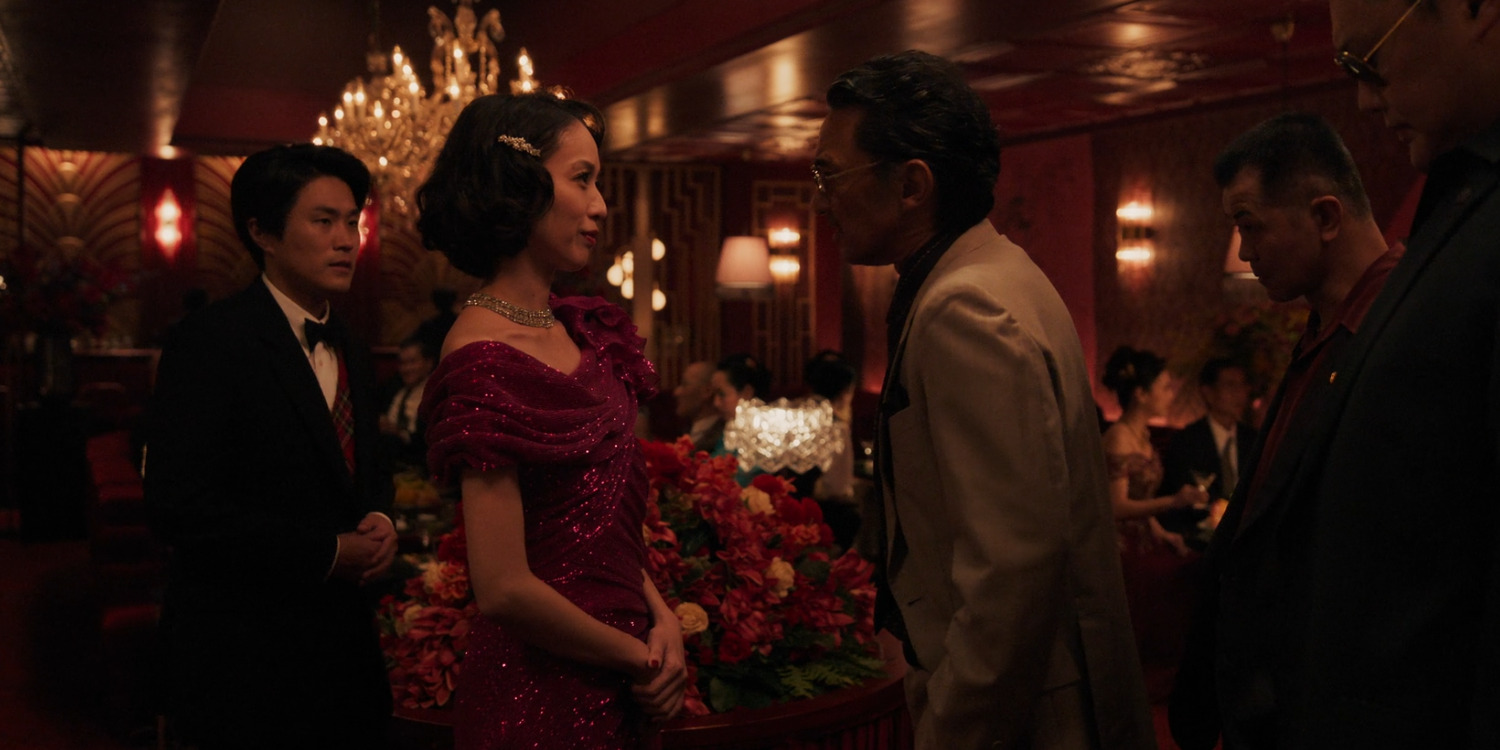
As such, many of the storytelling elements in the story remain a blend of fact and fiction. The show’s on-screen depiction of Kazuko’s numerous hostess clubs and other business ventures seems to be similarly crafted elements. In real life, Hosoki was the owner of multiple clubs in Tokyo, particularly in its popular and beloved Ginza district. Reportedly, she started this venture from an early age and was the owner of multiple clubs by the time she was still in her early teen years. At the time, such hostess clubs were an important part of the social ecosystem that connected wealthy businessmen, powerful politicians, and dangerous criminals.
Thus, it’s likely that Hosoki’s involvement in club ownership allowed space for various connections and relationships with fascinating or shady characters. In fact, records suggest that by the age of 21, she had already amassed enough debt to attract the attention of local gangsters. Consequently, there is a tangible truth behind the show’s depiction of clubs like Kazusa, Dahlia, Shinzan, and Enka. Nonetheless, it’s highly possible that the details of these establishments and their direct impact on Kazuko’s narrative are a dramatization or fictionalization of the series’ storytelling. Ultimately, these locations do a pivotal job in showcasing the authentic reality of Hosoki’s early life and her professional roots in the Ginza district of Tokyo as a club owner and hostess mama. Nonetheless, given the creative liberties equipped within the show, it’s likely that these on-screen clubs are a mix of reality and fiction.


You must be logged in to post a comment.