
 Abhiroop Das
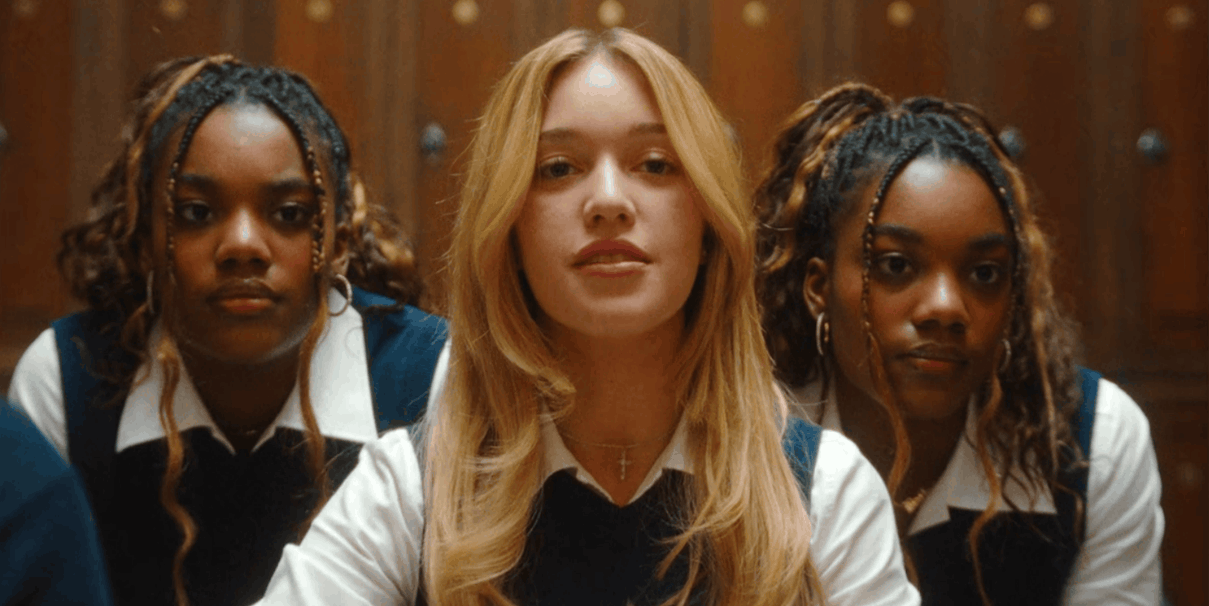
Created by Quinn Shephard, Netflix’s ‘The Body‘ steps into the world of the Lions, St. Mark’s Catholic School‘s dance team that is as famous for winning as it is infamous for breaking rules. When a sudden vacancy within their ranks prompts a new entry, that of Grace Franklin, a mysterious initiation ritual brings the entire group together, only for chaos to soon follow. By the end of one fateful night, Grace’s fate is left hanging in the balance, and consequently, the Lions’ subconscious guilt manages to manifest in increasingly ominous ways. Be it the uncertainties, anxieties, and angst of the teenage years, or the freshness and daring that comes with it, there’s hardly any part of the experience that this coming of age series leaves out, which makes it a uniquely potent vessel for thematic storytelling.
The Body is a Fictional Story Informed by the Writers’ Interests and Experiences
‘The Body’ is a work of fiction penned by a writing team led by Quinn Shephard, comprising Julian Breece, Catherine Schetina, Greta Heinemann, Lily Houghton, Naledi Jackson, and Stuti Malhotra. While the work may not have a basis in any specific real-life experiences, it is nonetheless deeply informed by the makers’ personal and creative fascinations. Shephard, in particular, described the story as an opportunity to revisit some of the experiences that shaped her teenage years. In a conversation with Tudum, she described it as a way to express and explore the confusion and intensity of growing up. While this gives the show a universally relatable thematic palette, there are also more specific focuses, such as its take on faith and its intersection with the teen queer experience.
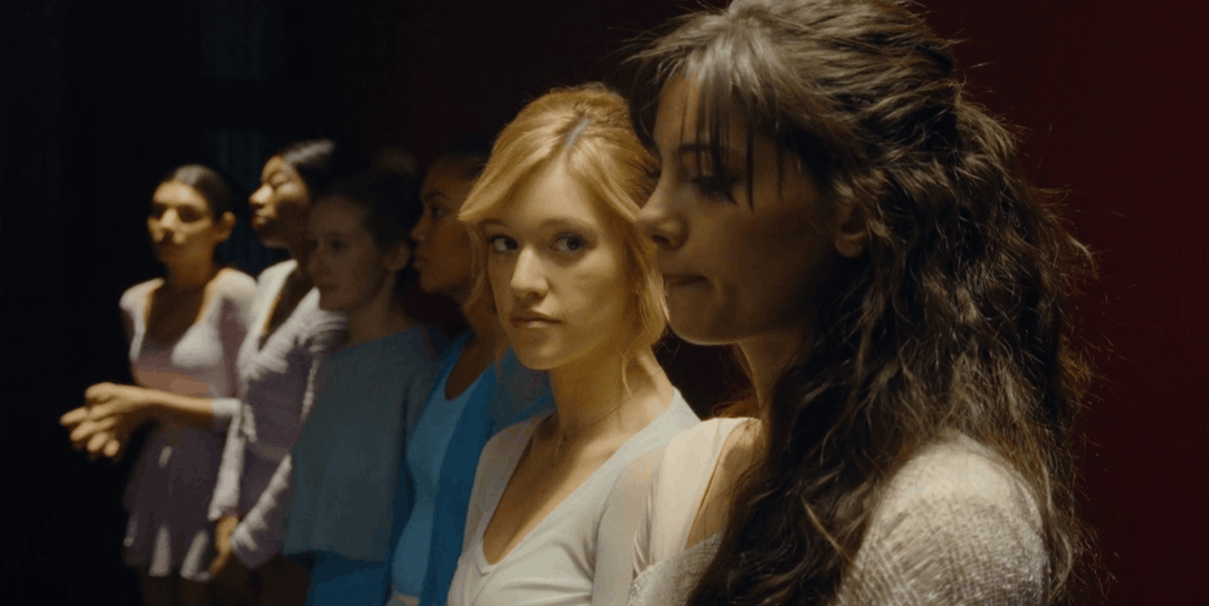
Shephard has long been fascinated with the ideas present in ‘The Body,’ having begun the first draft in her early twenties. Talking to The Cut, she described it as around the time she was realizing her sexuality and coming out, which connects to the story in some unique ways. “I had a lot of fear around losing my connection to being feminine when I was queer,” she shared, recalling the conversations she had with her first girlfriend about femininity, identity, and the fear of losing her connection to girlhood.
Gina Gammell, the co-showrunner, brought another personal experience to the series, having attended an all-girls Christian high school despite not being Christian herself. Recalling her experiences while speaking with Tudum, she explained, “When you’re trying to find your own identity, whether it’s artistic identity, your sexuality, etc., I think that it is really a distinct feeling to be like, ‘Who am I in a group, and who am I as an individual?’” All of these themes are strongly present in the Netflix show, wherein a fictional world is envisioned as a vessel to voice out several real-life anxieties that are experienced around the globe.
The Body is an Ode to 2000s Era Pop Culture and Aesthetics
Unlike Gina Gammell, Quinn Shephard went to a public high school, but that never stopped her from being fascinated with religious imagery and aesthetics. She wore Peter Pan collars and crosses, wrote a rosary, and would often thrift school uniforms. Another pop-culture landmark that the show incorporates is the Y2K (Year 2000) aesthetic, a distinct, turn-of-the-millennium culture that led to huge trends in fashion and entertainment. The impact of Y2K can be seen and felt in every frame of the show, and is likely one of the many reasons it is set in 2004.
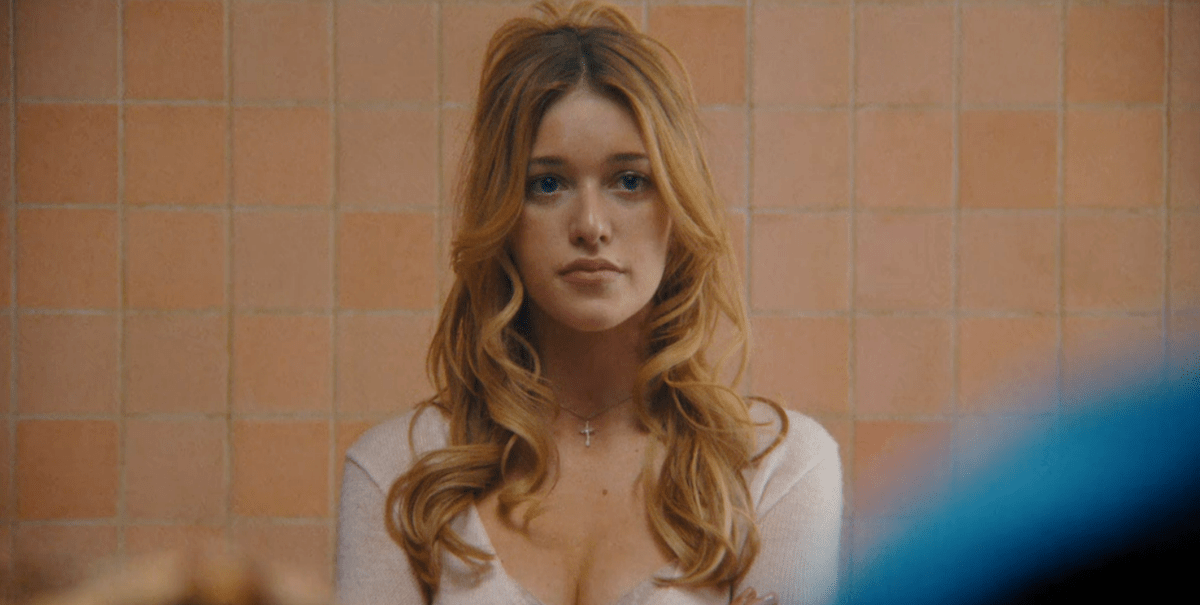
Shephard has also named some specific plays, films, and other titles that inspired her to conceptualize this story, starting with a production of Arthur Miller’s ‘The Crucible’ that she participated in as a teen. Iconic films like ‘Carrie,’ ‘Jennifer’s Body,’ ‘Heavenly Creatures,’ and ‘Mean Girls‘ all served as reference points during the show’s creation, and it isn’t hard to trace the creative lineage on display. Most of these stylistic, thematic, and narrative inspirations can be found on Shephard’s Pinterest boards, which speaks to how much passion she and her team have poured into the story.
The Lions are a Fictional Catholic Dance Troupe Designed to Evoke Religious Symbolism
Just as the larger story of ‘The Body’ is invented in nature, so is the school’s dance team, called the Lions. For Quinn Shephard, the inspiration didn’t exactly come from any particular dance group, but rather, the religious art and photographs of dance teams that she collected while developing the series. In an interview with Marie Claire, she singled out Édouard Debat-Ponsan’s painting ‘The Daughter of Jephthah,’ explaining that she hung an image of the biblical women lying together beside a photograph of a dance team in a similar pose. “I have a lot of that in my mood boarding, where I would take Catholic or religious painting tableaux of groups of women and then juxtapose them with images of dance teams,” she added.
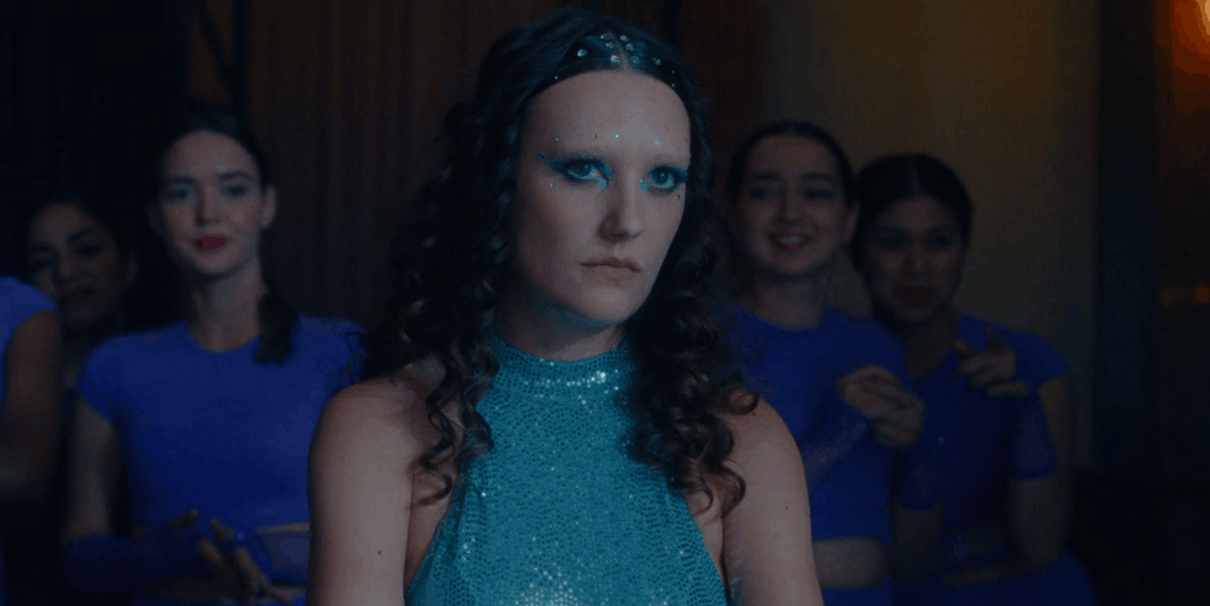
It’s this blend of ideas that ultimately gives shape to the Lions, with the name itself adding another layer to it, given that it’s most likely a nod to the fictional school being named after Saint Mark, who is often symbolized by a winged lion. Expanding on the religious symbolism, Shephard also reimagined synchronized dancing as a metaphor for groupthink, owing to its emphasis on synchronicity. Going further, she likened the captain to the “head priest of girlhood,” reflecting how the team serves as a thematic microcosm of the show’s take on femininity and collective identity.
The team’s routines, meanwhile, were developed specifically for the production, with choreographer Ryan Heffington helping the performers both with the competition dances and the more abstract ones we see in the dream or vision sequences. It’s been confirmed that the cast almost always performed their own dance sequences during the filming process, which makes for a deeply immersive experience on screen. Geena Meszaros, who plays Lisbeth, shared with People that the cast spent a month rehearsing for seven hours a day, and Shirley Chen, who essays the role of Maddie, added that the process helped the performers work as a team. It’s these little details that make the Lions feel so real, despite the fact that they are ultimately a fictional team.


You must be logged in to post a comment.