
 Abhiroop Das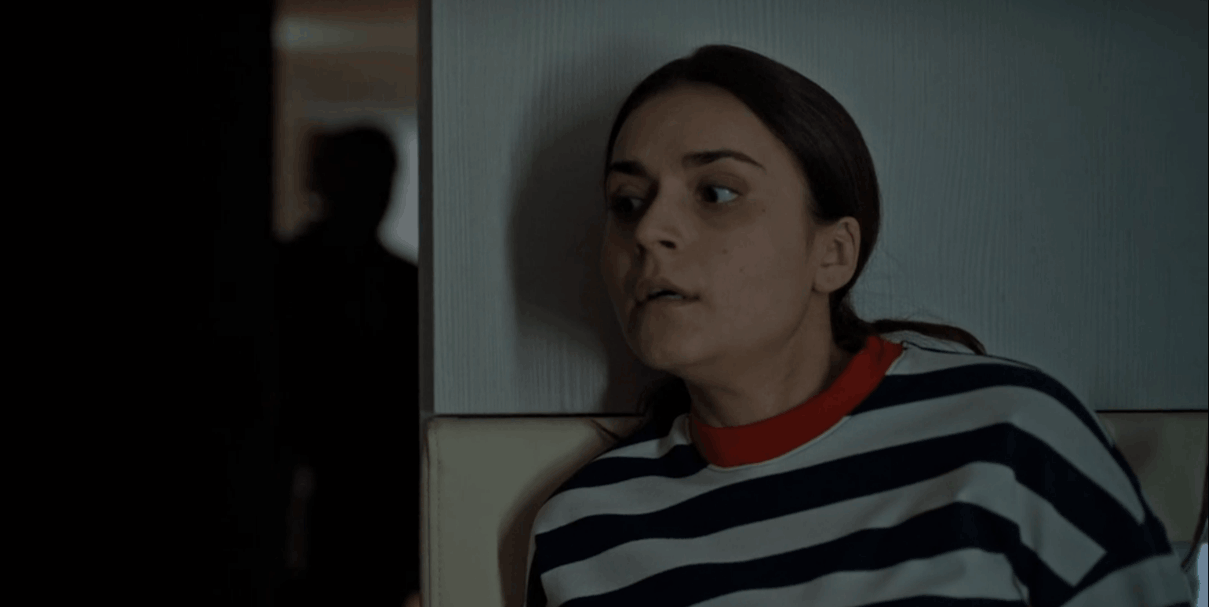
Helmed by Richard Switzer, Lifetime’s ‘The Paradise Murders‘ begins with Emma and Jake taking a break from work to bring the vacation of their dreams to life. Back at her favorite hotel after several years, Emma is keen to explore what has changed, and what has remained the same, and in the process, she befriends Sarah and her partner, Tom. However, not long after their fun day out together, Sarah is found murdered within the hotel premises, and all of a sudden, Emma and Jake’s vacation turns into a nightmare. The mystery thriller movie delves into the details of how an inexplicable crime such as this can take place, and how, in a locked setting, everyone can be framed as a potential suspect, as well as a potential next victim.
The Paradise Murders is a Fictional Whodunit That Takes Place in a Hotel
‘The Paradise Murders’ is a work of fiction penned by writers Amy Irons, Jesse Mittelstadt, and Richard Switzer. While Lifetime productions are often known for drawing partial inspiration from real-life events and cases, this mystery thriller appears to be an entirely original creation. The sense of realism displayed on screen, then, is the result of multiple creative efforts coming together to create a cohesive narrative, one that plays on our very understanding of nostalgia and trust, both towards places and people. Sarah’s death and its subsequent investigation, though not based on any real case, is nonetheless a premise that captures many thematic threads at once.
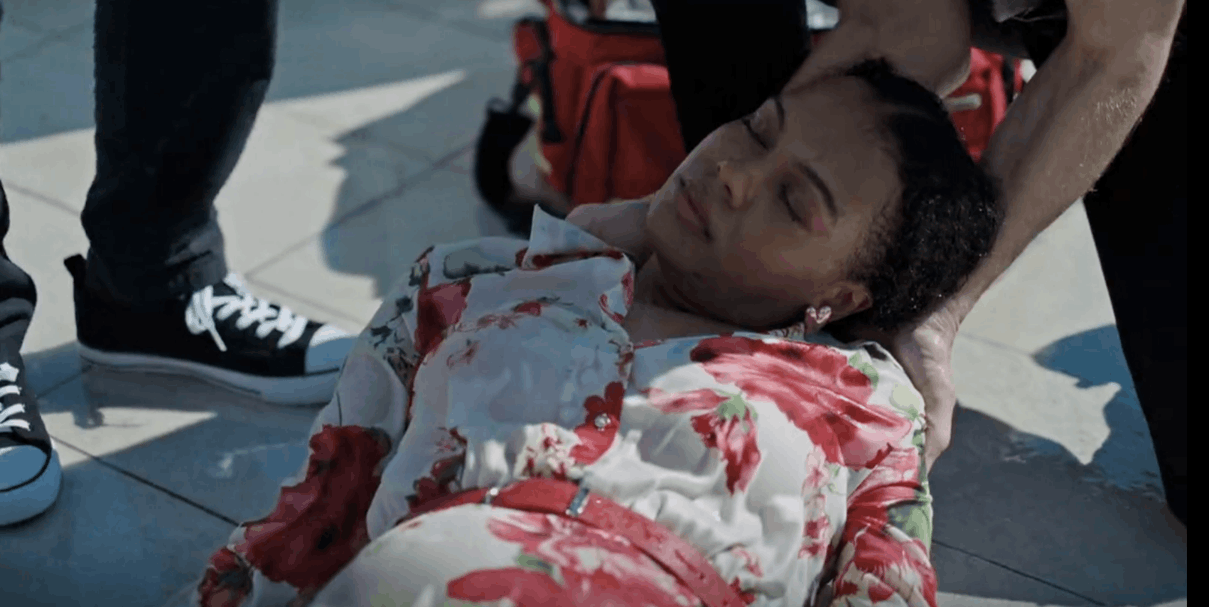
Though the film begins with Sarah’s tragic death, the main twists and turns are determined by her friend Emma’s reaction to it. Noticing that some details of the case are too suspicious to have been accidental, she begins considering if this is the work of a killer who is still on the loose. In real-life, there have been instances where luxury hotels and resorts turned into sites of a murder investigation. In February 2012, interior designer Wendy Albano checked into the upscale Fraser Suites, located at 38/8 Sukhumvit Road, Khlong Toei Nuea in Watthana, Bangkok. Though this was intended to be a regular business trip, Albano was later found stabbed and strangled to death inside her hotel room.
During the follow-up investigation, Ritesh Narpatraj Sanghvi, a business associate of Albano’s, emerged as the prime suspect. Furthermore, CCTV footage from the hotel showed a man believed to be Sanghvi entering and later leaving the hotel around the time of her death. Amidst growing pressure from the public and the media, the investigation eventually turned into an international manhunt, and in September 2014, Sanghvi was arrested in Maharashtra, India, after a joint investigation involving Thai authorities and the Indian police. Reportedly, Sanghvi legally challenged his extradition from India to Thailand, but the Delhi High Court dismissed those claims on January 7, 2019. The following month, on February 28, Sanghvi was extradited to Thailand, where he now awaits trial, as per reports.
The Setting of The Paradise Murders Adds to its Narrative Ambiguities
What makes a luxury hotel a uniquely challenging setting for a murder whodunit story is how controlled the environment can be. Most luxury hotels are typically fitted with top-notch security systems, and moreover, there are often other guests, workers, or attendants in the vicinity, which makes something like murder very difficult to hide. However, there have been a few murder cases in real life that proved to be truly difficult to parse through, in no small part due to the crime taking place in a hotel or similar setting. One such instance is the murder of Greg Fleniken, which managed to perplex investigators for several years.
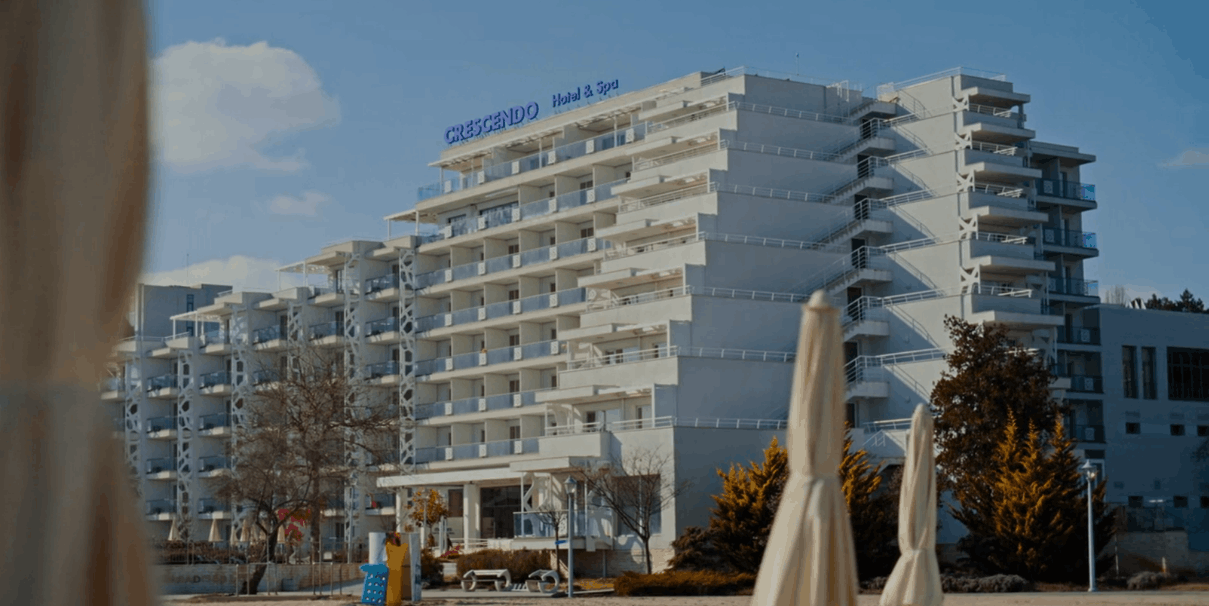
On the morning of September 16, 2010, Greg was found dead in Room 348 of the MCM Eleganté Hotel, located at 2355 I-10, in Beaumont, Texas. Though his body initially showed no signs of foul play, a postmortem medical investigation found extensive internal organ damage and bleeding, including a hole in the heart’s right atrium. Reportedly, the medical examiner, Dr. Tommy Brown, found a half-inch laceration on Greg’s scrotum, but couldn’t determine its cause. Though the death was officially ruled as a homicide, the exact reason wouldn’t be known until 7 months later.
The Writing Team Likely Relied on Mystery Tropes More Than Any Real-Life Case
In the years after Greg Fleniken’s death, his wife, Susan Fleniken, reportedly collaborated with private investigators and authorities in an effort to have the case reexamined. Soon, a crucial piece of evidence was discovered in the hotel room next door, Room 349: a patched hole in the wall that matched the size and alignment of an indentation found in Greg’s room. Subsequent investigations discovered a bullet inside Greg’s body, which had entered via his scrotum and caused the injuries that led to his death. On the night of September 15, 2010, Room 349 was occupied by three electricians who had initially been ruled out as suspects. However, on June 1, 2011, Tim Steinmetz, one of the electricians, confessed that his friend, Lance Mueller, had accidentally fired a 9-mm Ruger while in a state of inebriation.
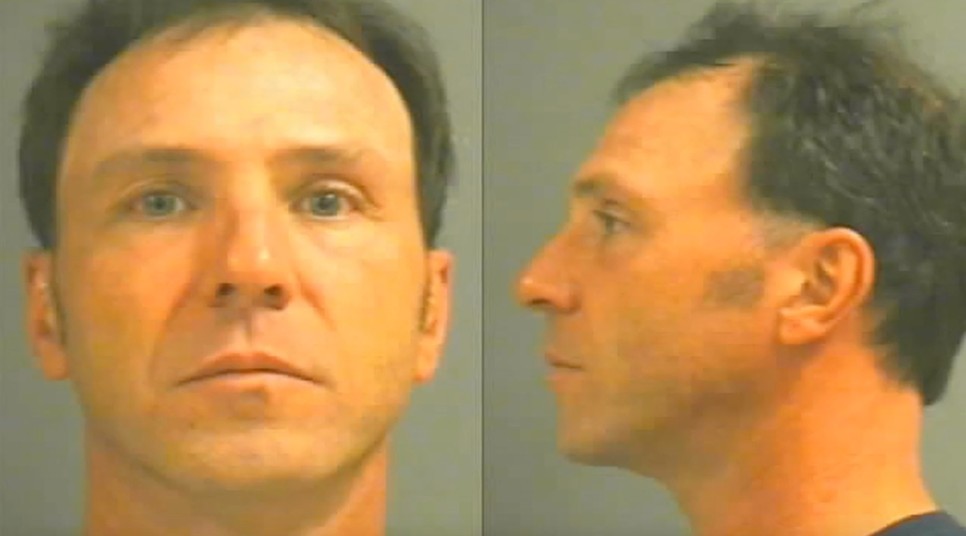
The three electricians claimed not to have known that Room 348 was occupied when they accidentally fired the weapon, after which they decided to patch up the wall with toothpaste. Upon being arrested in 2012, Lance reportedly pled no-contest to manslaughter and was sentenced to 10 years in prison on October 29, 2012. Based on reports, Lance seemingly completed his prison sentence and was released in 2022. While the deaths of Wendy Albano and Greg Fleniken have emerged as a part of the public consciousness due to the unique circumstances surrounding them, it is unlikely that the creators of ‘The Paradise Murders’ took references from either case. Instead, the movie seems to draw on the general template of a whodunit mystery, one that has been tailored to its setting.
Read More: The Paradise Murders Ending Explained: Who is the Killer?


You must be logged in to post a comment.