
 Abhiroop Das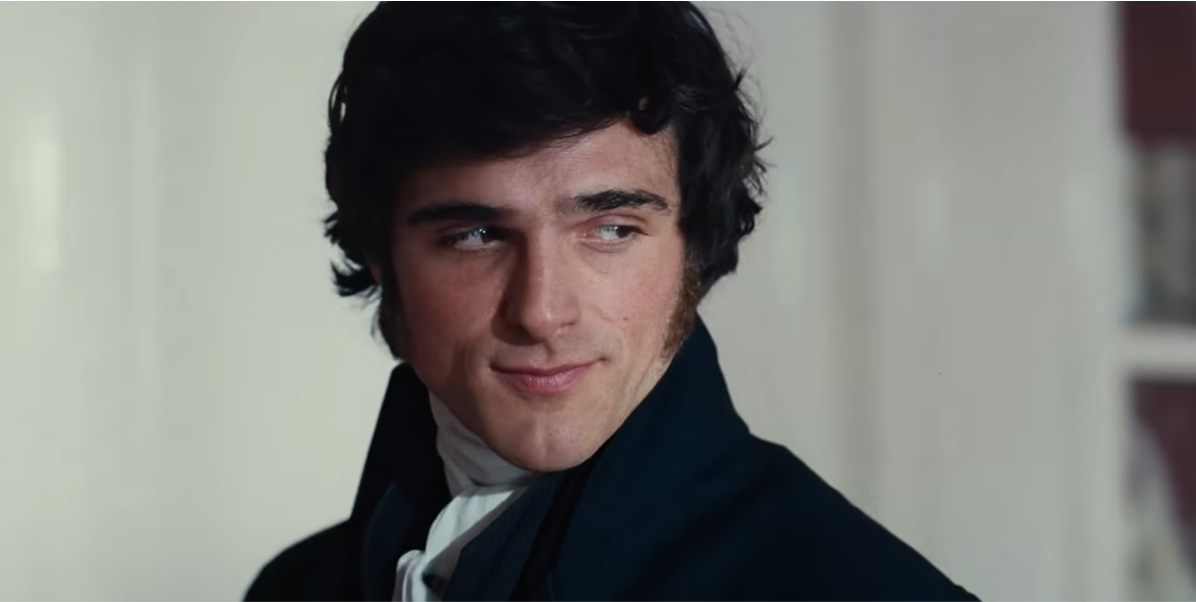
Helmed by Emerald Fennell, ‘Wuthering Heights,’ also stylized as ‘”Wuthering Heights,”‘ reimagines Emily Brontë’s classic novel with a fresh perspective on the power dynamics that govern love and lust. The story follows the ups and downs of the Earnshaw family in the years after Heathcliff, an unhoused, orphaned child, is brought in from Liverpool to live with them. Heathcliff quickly becomes best friends with Catherine Earnshaw, and as time goes by, their bond only grows stronger.
However, as these emotions turn into love for both characters, Catherine struggles with balancing how she feels and what she desires out of life. What this gives way to is a destructive cycle of love, passion, and aggression, which promises to leave no one out of the equation. Throughout this gothic romance, Heathcliff continues to emerge as an elusive figure, not only in his feelings for Catherine but also in the uncertainties surrounding his past. SPOILERS AHEAD.
Heathcliff is Never Definitively Connected to Any One Race in the Novel
In Emily Brontë’s ‘Wuthering Heights,’ Heathcliff’s race is purposefully kept ambiguous, so as to highlight his otherness when placed within the Earnshaw family. Among his earliest visual descriptions comes from a character named Lockwood, who refers to Heathcliff as a “dark-skinned gipsy.” The term “gipsy” is also used by many other characters in the story, often with a racist connotation. Later in the story, however, Nelly describes him as “a regular black.” But it should be noted that the conversation arises from Heathcliff’s desire to have light skin and white hair, which means that Nelly’s comments are likely referring to skin color, instead of race.
The uncertainty surrounding Heathcliff’s race also emerges in the varying and often contradictory comments made by characters about his parentage. Nelly, for instance, muses that Heathcliff’s father was the Emperor of China, whereas his mother was an Indian queen. While the far-fetched nature of her words implies that she was never serious with this description, it does hammer in a larger point about how no one seems to know Heathcliff’s true origins. However, the fact that Mr. Earnshaw claims to have picked Heathcliff up from Liverpool yields some valuable insight.
In the 1760s, Liverpool reportedly emerged as one of the largest slave trading ports of England, which makes it possible that Earnshaw found Heathcliff in such circumstances. Given the references to him having black hair and skin, coupled with the complicated history of Liverpool during the Atlantic Slave Trade, several scholars have argued that Heathcliff is of African descent, though there are also theories as to him being of Irish descent.
Adaptations of Wuthering Heights Aren’t Strangers to White Actors Playing Heathcliff
While Heathcliff has traditionally been understood as a dark-skinned character of ambiguous descent, his television and film renditions often do not share the same creative vision. In the film adaptation by William Wyler, actor Laurence Olivier essays the role of Heathcliff, marking the first among many instances of a white actor stepping into the shoes of this character. Actor Richard Burton also plays Heathcliff in a television adaptation of the book. Additionally, both Ralph Fiennes and Tom Hardy have experience donning the role in their respective film and theatre performances.

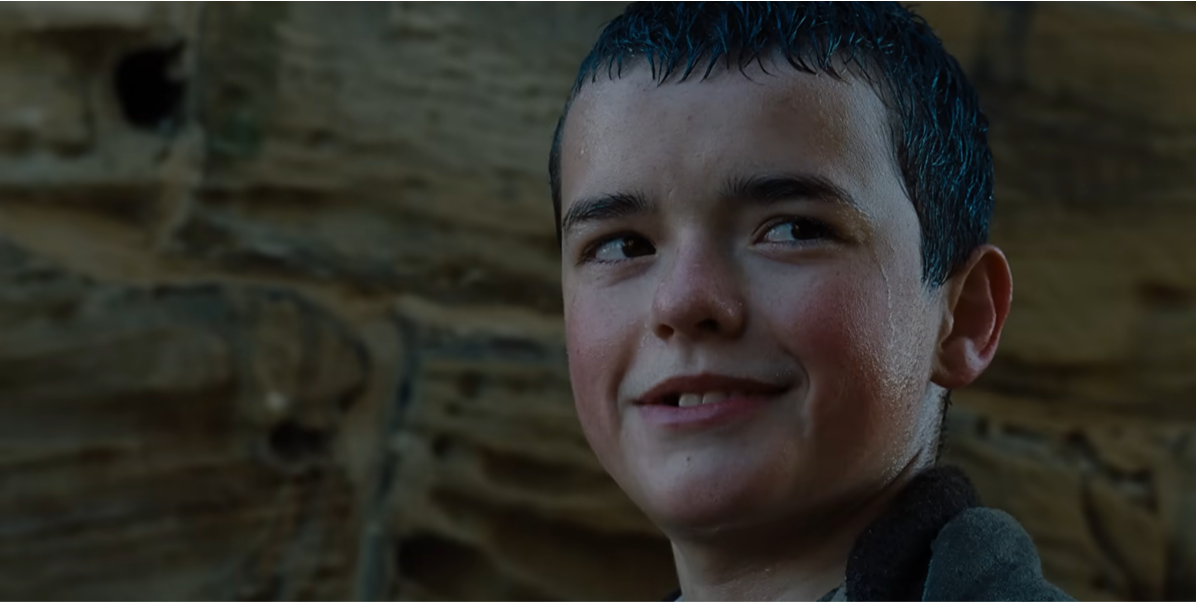
Over the years, such specific creative decisions likely led to a shift in the popular culture surrounding Heathcliff, but director Andrea Arnold’s interpretation of the story on film marks a break in that pattern. In this adaptation of ‘Wuthering Heights,’ actor James Howson portrays Heathcliff, marking the first instance of a Black actor taking on the role. In director Emerald Fennell’s movie, however, we once again see a new interpretation of the character, with actor Jacob Elordi essaying the older version of Heathcliff, and Owen Cooper playing the younger version.
When discussing the casting choice, Fennell mentioned a very personal reason as to why she found Elordi the perfect fit. In a conversation with E! News, the director recalled that “when I first saw him in the haircut, I realized he looked exactly like the Heathcliff on my well, well-worn copy of Wuthering Heights that I’ve had since I was a teenager.” As such, Fennell’s interpretation is simultaneously a deeply personalized one and a reading shaped by her experiences and cultural context. In an interview with The Hollywood Reporter, she further elaborated that “you can only ever make the movie that you sort of imagined yourself.” As such, while Heathcliff’s race is a question that may never have a linear answer, Fennell’s commitment to her own reading of the story allows for a fresh vision to come to life.
Read More: Is Off Campus a True Story? Are Hannah and Garrett Based on Real People?


You must be logged in to post a comment.