
 Abhiroop Das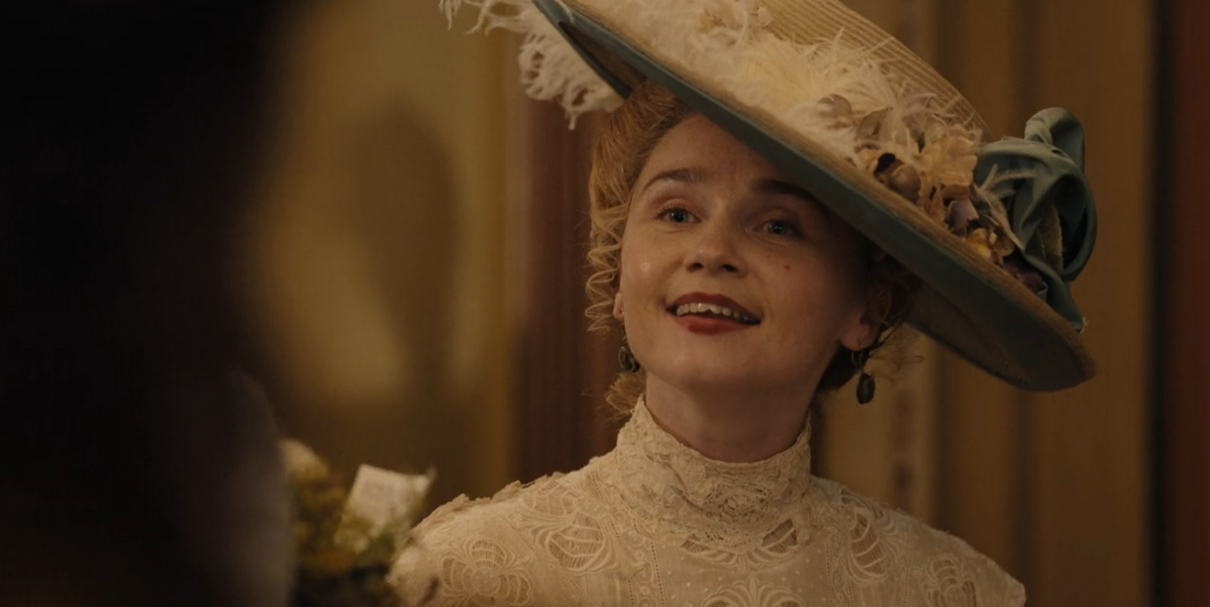
Created by Ian Brennan, Netflix’s ‘Monster: The Lizzie Borden Story,’ revisits one of the most notorious cases of the 1892 murder of Andrew and Abby Borden through a fictional lens. The story, following in the footsteps of ‘The Jeffrey Dahmer Story,’ ‘The Lyle and Erik Menendez Story,’ and ‘The Ed Gein Story,’ this time focuses on Andrew and Abby Borden’s daughter, Lizzie Borden, who was the prime suspect in the murder of her parents and stood on trial, before being acquitted in 1893. The version of events we see on screen takes many imaginative turns, familiarizing us with the days leading up to the tragedy and what followed after. One character in the story who stands out most is Nance O’Neil, a legendary stage and film actress who prepares Lizzie before the trial to convince the jury of her innocence. The reality of their relationship, though, has always been a subject of much curiosity and speculation alike.
Lizzie Borden and Nance O’Neil Became Great Friends in the Early 1900s
While Lizzie Borden and actress Nance O’Neil were indeed friends in real life, their friendship began years after Borden’s murder trial. As of writing, there is no evidence of Lizzie and Nance being in contact before the 1900s, and the version of events we see in the show is entirely invented by Ian Brennan for creative purposes. Nance and Lizzie reportedly first met in 1904 in Boston, roughly eleven years after Lizzie was acquitted in June 1893. By then, Lizzie, along with her sister Emma Borden, had moved into a new house in Fall River, Massachusetts, and had begun using the name, Lizbeth A. Borden. Nance, on the other hand, was already an immensely successful stage artist and had begun an around-the-world tour before her path crossed with Lizzie.
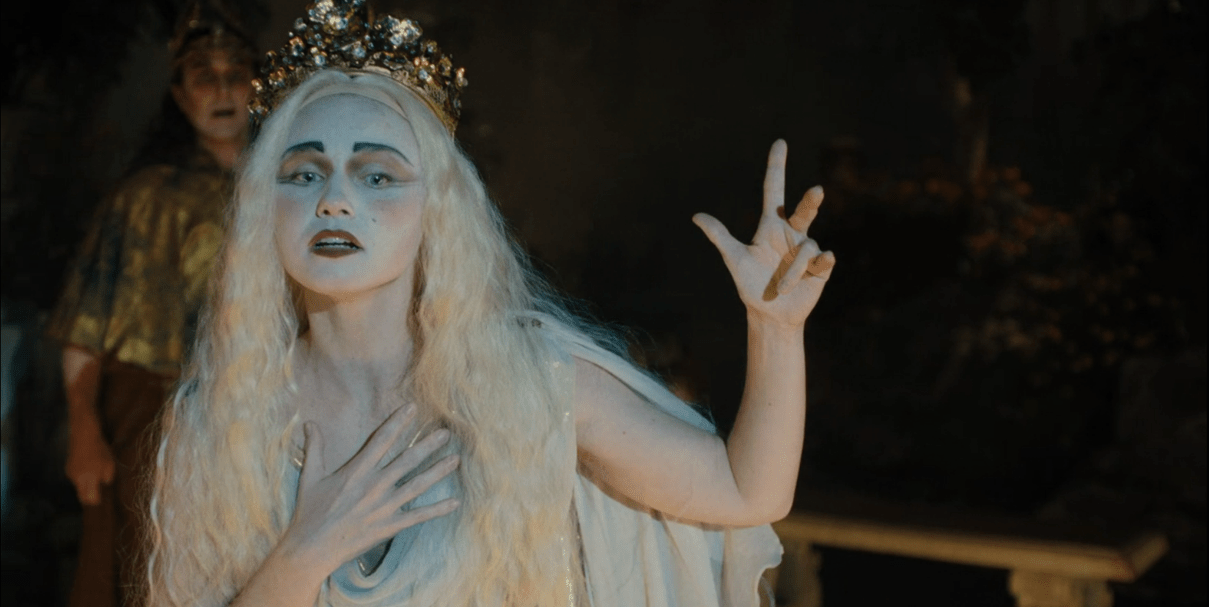
Much of what is known about Nance and Lizzie’s first meeting comes from a conversation the former had with the New Bedford Standard. Lizzie was reportedly so captivated by Nance’s performance in Boston in 1904 that she sent her a note, along with flowers, expressing admiration for Nance’s acting and asking permission to visit her. The pair then met in the dressing room at the Tremont Theater in Boston, and subsequently began meeting at each other’s homes. Their friendship drew considerable media attention and speculation, with reports indicating that Lizzie often entertained Nance and her theatrical company at her home and even stayed at Nance’s country place in Tyngsborough at one point.
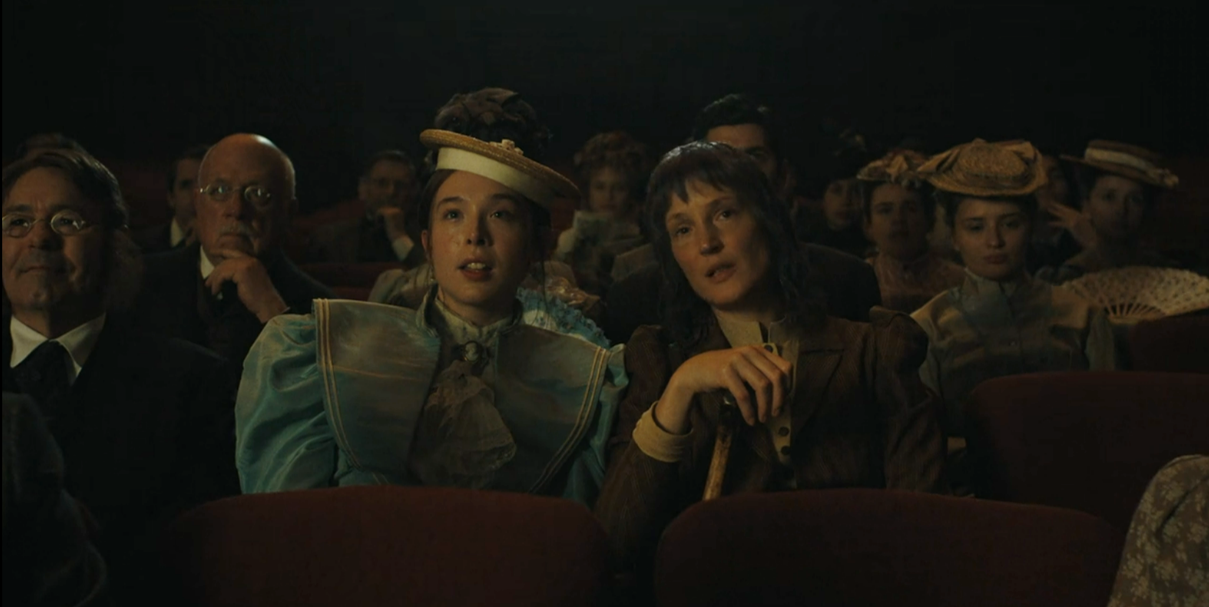
An infamous but unsubstantiated story surrounding Nance and Lizzie’s friendship comes from a series of reports in 1905 that claimed Lizzie and Emma Borden had a falling-out after a disagreement at a dinner and entertainment Lizzie had hosted for Nance O’Neil and her company. Some reports went as far as to claim that Emma left the house soon after the sisters’ quarrel, never to see her again. However, Nance, in her conversation with the New Bedford Standard, denied having ever met Emma, which suggests that this entire story may have been the result of rumors surrounding Nance and her relationship with Lizzie. The pair reportedly never met again after Nance concluded her season in Boston and went on another tour, but they nonetheless remained friends in memory.
Nance O’Neil Never Coached Lizzie Borden, but the Claim Has a Loose Fictional Precedent
Given that Lizzie Borden and Nance O’Neil met in the summer of 1904, the story about her ever having coached Lizzie for the 1893 trial is entirely fictional. Nance also denied ever having visited the original Borden house in Fall River, where the murders of Andrew and Abby Borden took place, contrary to how the show depicts that Nance first visited the house for supper, and later to coach her. During her interview with the New Bedford Standard, the actress claimed that she and Lizzie never discussed the tragedy in any way. “I simply felt a great sympathy for her, and a great deal of admiration for the way she carried on,” the actress added. When asked if she believed that Lizzie could be associated with the murders, Nance replied in the negative.
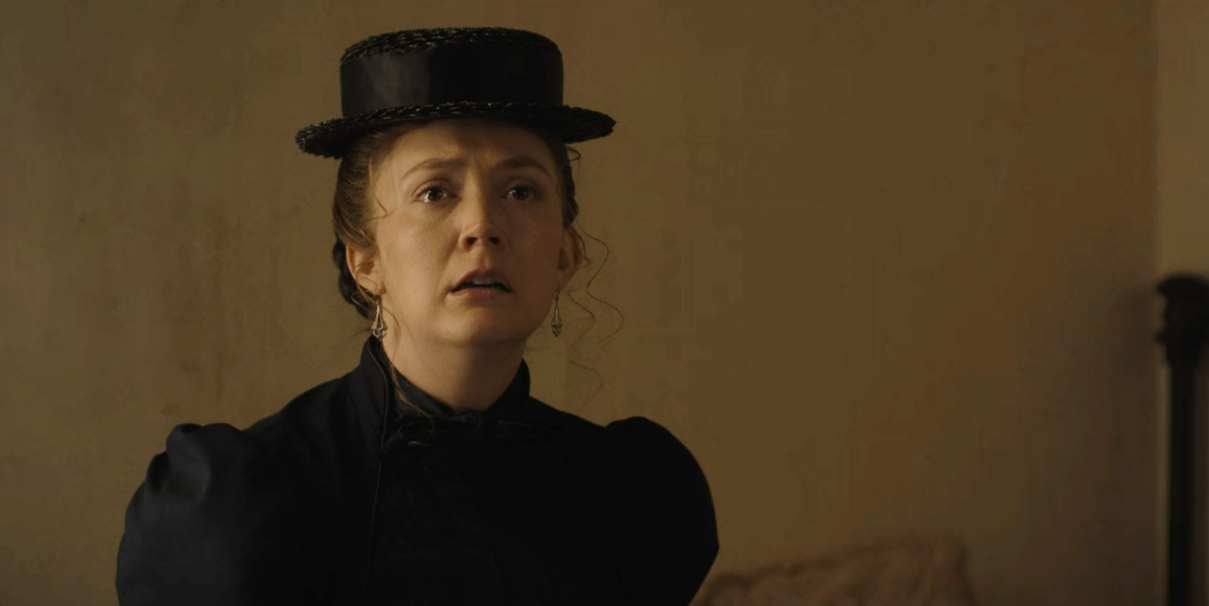
While the story of Nance coaching Lizzie for the trials may be completely made up, it doesn’t originate with the Netflix series. A 1980 play by William Norfolk, titled ‘The Lights Are Warm and Colored,’ features a fictional version of Nance who recreates scenes from the murder trial, and is coached by Lizzie and Emma regarding accuracy. In many ways, this is the inverse of the coaching scenes in the Netflix series and may have inspired Ian Brennan to compose a comparable sequence in his show. In a conversation with Tudum, Brennan described trial episodes as the hardest to dramatize, given how dull and technical they can get. “But this notion that Lizzie knew an actress, which she did,” he said, “that suddenly really activated it for us.” As such, while the scene itself may not be based on real life, it charts a collection of disparate real-life details and uses them to dramatic effect.
Read More: How did Bridget Sullivan aka Maggie Die?


You must be logged in to post a comment.