
 Aahana Swrup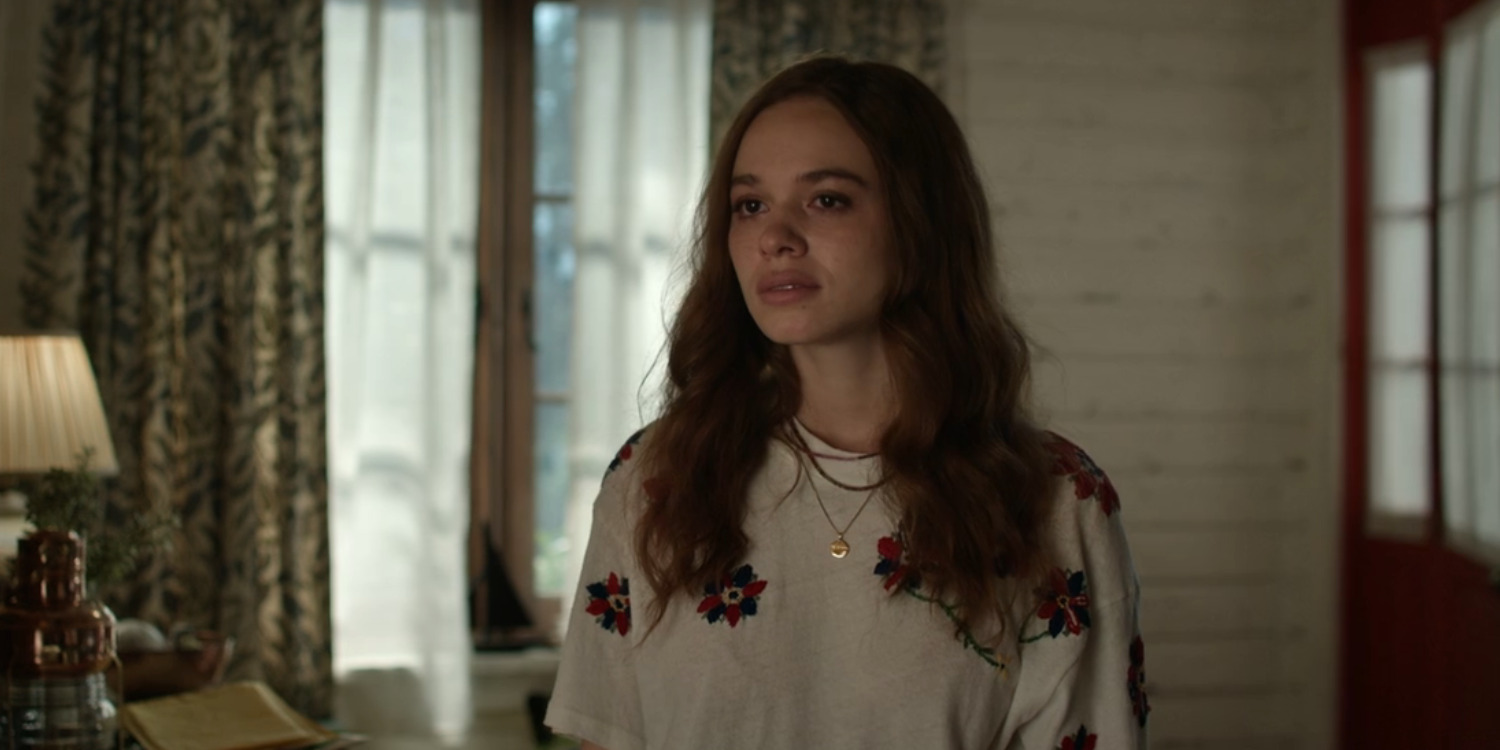
Created by Leila Gerstein and Amy Harris, ‘Every Year After’ charts a love story where even the easiest and most profound of connections come with their own complications. Percy Fraser met Sam Flocker at 13 when she started spending her summer vacations at her family’s cottage in the lake town of Barry’s Bay. The friendship between these two teenagers was as inevitable as the eventual romance that blossomed between them. However, somewhere along the line, a major fallout sent the two lifelong friends down a path of estrangement.
Almost a decade later, Percy finds herself returning to Barry’s Bay for the first time since her break-up with Sam in order to attend the gut-wrenching funeral of Sue Floreck, her ex-boyfriend’s mother. This sobering homecoming ends up digging up old and buried wounds, forcing Percy to confront the reality of what transpired between her and her first and only true love. Through its dual timeline, the show delves into the facets of young love and its unique and defining evolution into adulthood. As a result, the characters and their storylines become fertile ground for realism, authenticity, and a widespread sense of relatability.
Every Year After’s Roots in Carley Fortune’s Own Coming-of-Age
‘Every Year After’ is a television adaptation of Carley Fortune’s 2022 romance novel ‘Every Summer After,’ the first installment in the ‘Barry’s Bay’ series. The series remains authentic to its source material, bringing the characters and their narratives to the screen without diverging far from the bookish canon. A few new additions are made to the story in the service of expanding the narrative and effectively translating it across the two different media. Nonetheless, the series remains intricately tied to its literary counterpart. The latter itself finds a tangible and fascinating origin in real life through the influence of its author, Carley Fortune.

The author began working on the novel in 2020 during the COVID-19 pandemic. Just before she decided to take a different route than her professional literary endeavors in journalism, she and her family had returned briefly to Barry’s Bay. Therefore, she found herself swimming in nostalgia and reminiscence. Thus, for her first foray into novel writing, Fortune knew she wanted to tell a story she was intimately familiar with. This story included a young girl full of creativity and potential, and a lake town in Canada. The author herself grew up in Barry’s Bay, the Canadian township famous for its Kamaniskeg Lake.
Fortune was a local in the area and grew up in a neighborhood with only a handful of other permanent residents, and mostly cottagers who would only visit the town according to the season. In that way, the author shared much more in common with her novel’s secondary protagonist and love interest, Sam Floreck. On the other hand, Fortune infused the actual protagonist, Percy, with all the personality building blocks, ambitions, insecurities, anxieties, and longings of her own younger self. Ultimately, while the lives of Sam and Percy remain entirely fictitious, they find a firm footing in the authentic experiences of the author. Though not a biographical account, the story remains inspired by Fortune’s own childhood nostalgia and memories.
Every Year After Explores the Transformational Reality of Teenagehood and Young Adulthood
One of the foundational aspects of ‘Every Year After’ stems from its focus on Percy, the Floreck brothers, and their friends’ unique relationship with Barry’s Bay. The story is told in two parts: one a series of flashbacks to an idyllic childhood, the other a focus on the complications of one’s 20s. Both these narratives explore similar thematic ideas of growth and transformation, and it’s often the messy realities. The characters in the series are far from perfect. They make mistakes and impulsive decisions that end up defining the trajectory of their lives for better or for worse. Yet, these choices, good or bad, imbue a sense of authenticity to their characterizations and journey into their coming-of-age. In a conversation with Deadline, Amy Harris, the showrunner, spoke about the same.
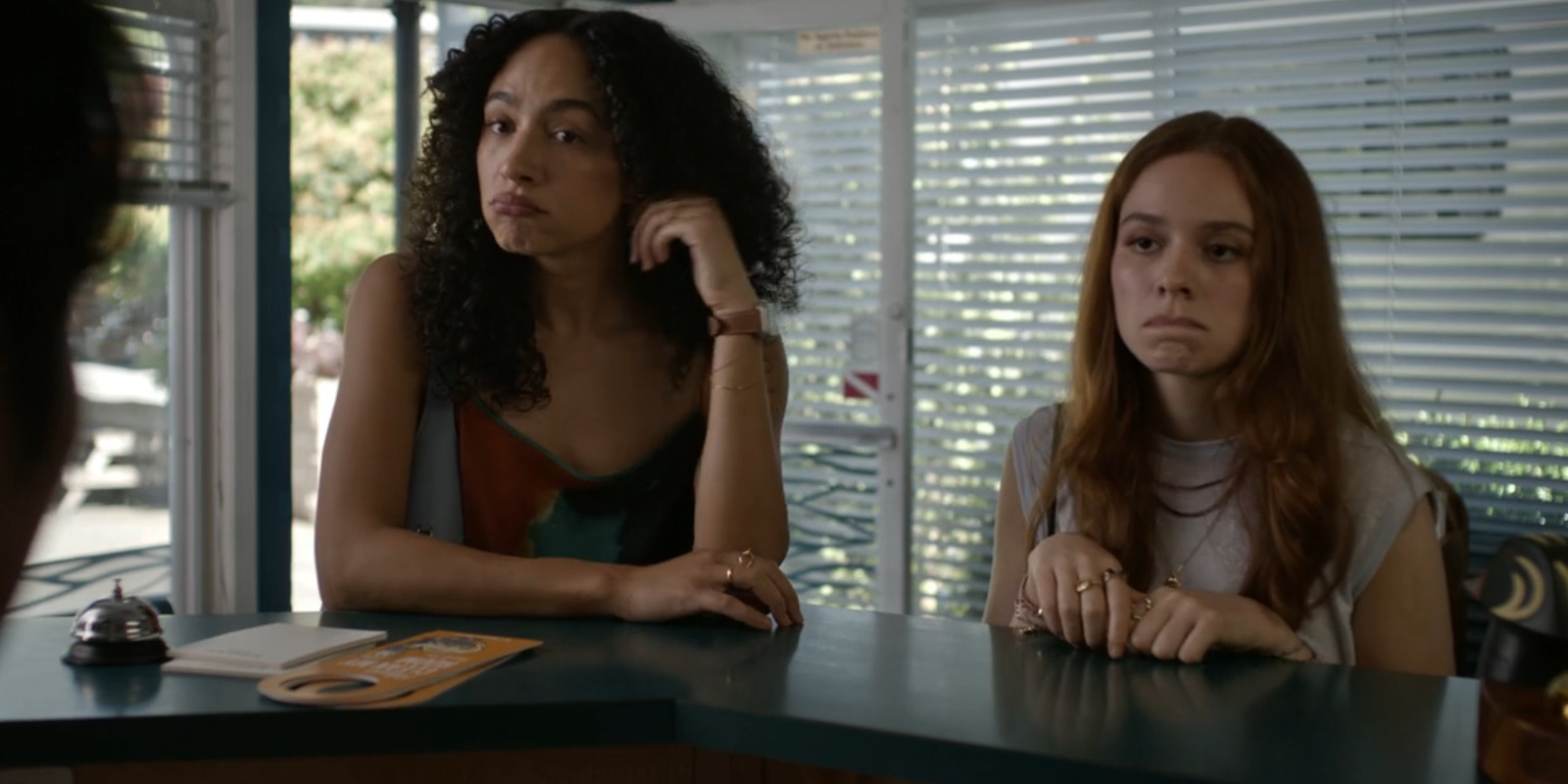
Harris said, “The coming-of-age story is really about being on a precipice and what happens when you take that leap. And you’re always on a precipice. That’s a good thing, I think. Like, am I leaving this job? Am I moving to a new city? Am I going to take a leap with this guy? Am I going to end a relationship?” She further added, “People want to see themselves on TV, and or feel nostalgic for a time in their life that they either adored or sometimes hated, and would like to see the better version. I think they’re the most relatable stories, and that’s why I love them, but I do think you come of age, if you’re lucky, your whole life.”


You must be logged in to post a comment.