
 Abhiroop Das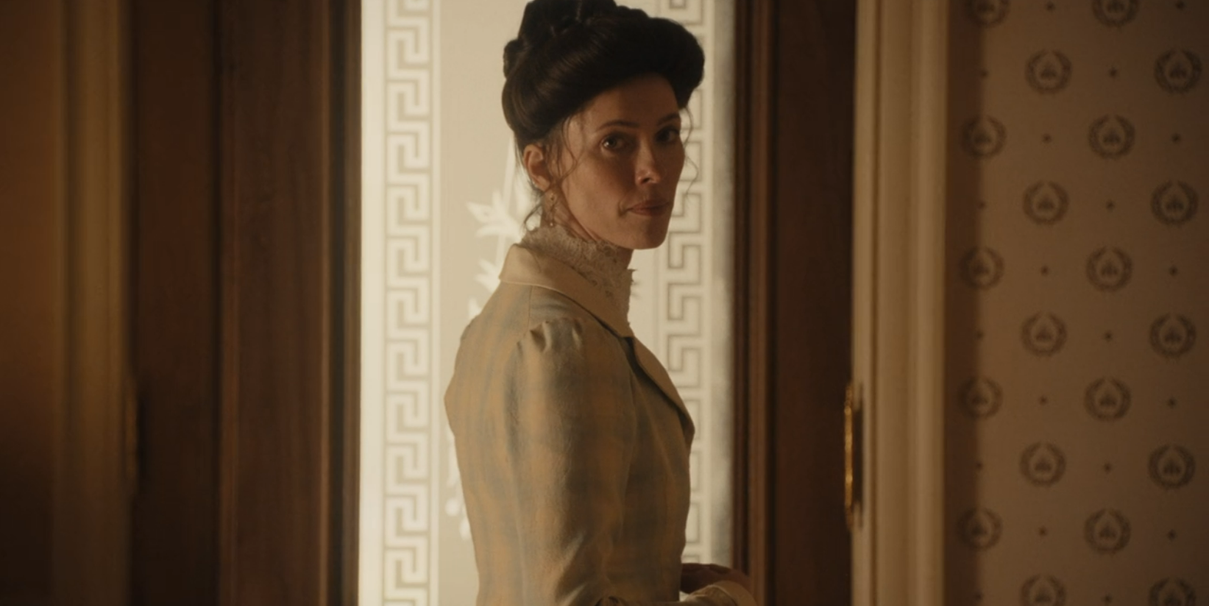
Netflix’s ‘Monster: The Lizzie Borden Story,’ created by Ian Brennan, marks the fourth installment in the acclaimed ‘Monster’ series, which includes ‘The Jeffrey Dahmer Story,’ ‘The Lyle and Erik Menendez Story,’ and ‘The Ed Gein Story.’ While those stories dramatize the lives of convicted criminals, this season takes a look at a case that remains unsolved. In 1893, Lizzie Borden was tried and acquitted of the murder of her father, Andrew Borden, and stepmother, Abby Borden, and the series presents a fictionalized version of the events, digging into Lizzie’s psyche and circumstances to determine what could manifest such a heinous act into reality. The true story surrounding the murders, however, proves to be far more complicated, with too many mysteries unresolved to this day.
Andrew and Abby Borden Were Fatally Assaulted Inside Their Home
On the morning of August 4, 1892, Andrew Jackson Borden, aged 70, and his wife, Abby Durfee Borden, 64, were killed inside their home at 92 Second Street in Fall River, Massachusetts. This became one of the most notorious cases in the homeland’s history, capturing public attention and eventually leading to what has often been called “the trial of the century.” While Andrew and Abby’s daughter, Lizzie Borden, emerged as the prime suspect during the investigation and was indicted for murder, she was later acquitted. To date, the identity of the person who killed Andrew and Abby Borden has never been established, and the case remains as puzzling and polarizing as ever.
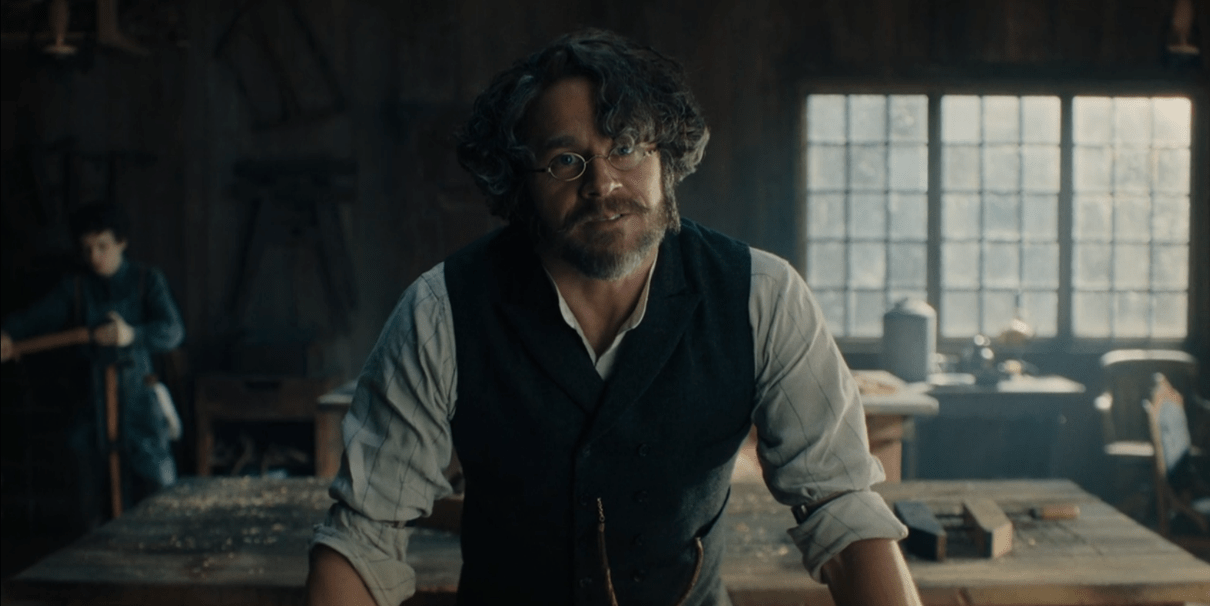
Andrew had been married once before Abby. His first wife, Sarah Anthony Morse Borden, passed away in 1863, leaving three children: Emma, Lizzie, and Alice, the latter of whom died young. Andrew married Abby in 1865, and she became stepmother to Emma and Lizzie. By 1892, the pair had been married for nearly 27 years and lived with Lizzie and their maid, Bridget Sullivan, who was also called Maggie. During the trial for the murder the following year, Bridget testified that she never witnessed any quarreling within the family, and the same was true for the morning of August 4. According to reports, Andrew’s brother-in-law, John Vinnicum Morse, was also visiting the family that week, and on that fateful morning, he had breakfast with Andrew and Abby before leaving the house at around 8:45 am.
Both Andrew and Abby Borden Were Struck by a Sharp Instrument Multiple Times
Not long after John Vinnicum Morse’s departure, Andrew Borden also left the house to attend to business in Fall River, which left only Bridget Sullivan, Abby, and Lizzie Borden at the house around the time of the first murder. The evidence suggests that Abby went to the upstairs guest bedroom sometime between 9 and 10:30 am, seemingly to make the bed, when she was attacked. As per Dr. William Dolan, the medical examiner for the case, Abby suffered 18 wounds to her head and another wound to her back. In Dr. Dolan’s opinion, Abby was facing her killer before the first strike, from a sharp instrument such as a hatchet, which caused her to turn and fall face-first, the position in which she was later discovered.
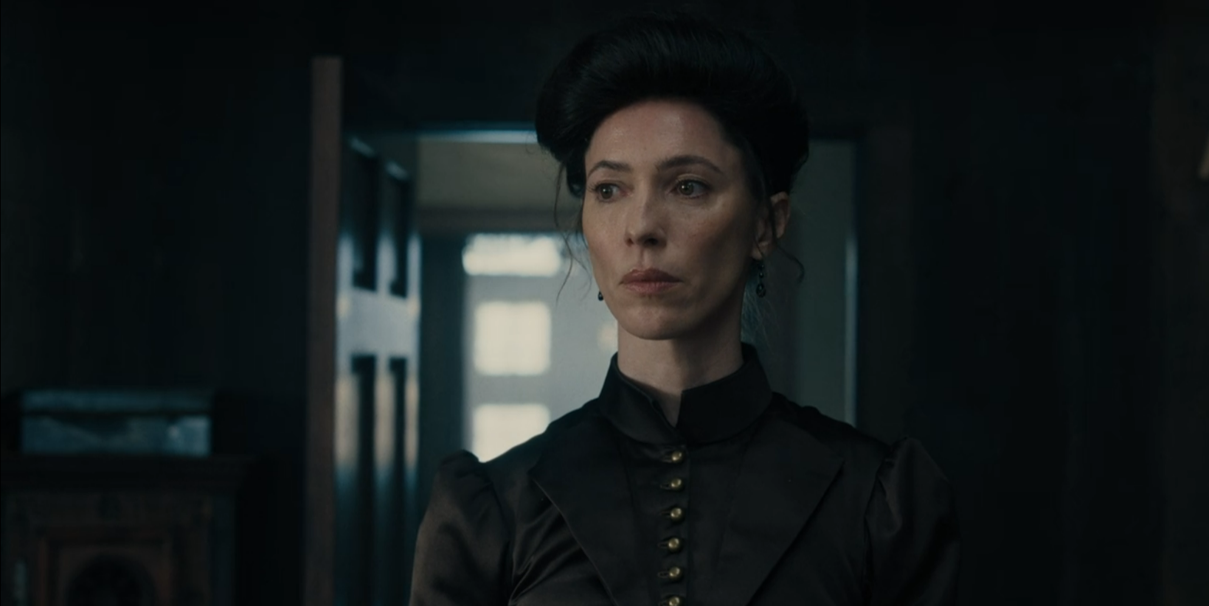
Andrew returned home later that morning, at around 10:30 am, only to find that his key was not working. When Bridget approached the door, she found it jammed, and later testified to hearing Lizzie laugh upstairs around the same time. Some time after Andrew entered the house and lay down on the sofa, he was attacked. Medical examiner Dolan later counted 10 wounds on Andrew’s head and determined that he was killed after Abby, due to his wounds being fresher. At around 11:10 am, Bridget, who was resting upstairs, heard an alarmed Lizzie call for her, saying that her father had been killed. Abby’s body was discovered later by Bridget and a neighbor, following which the case was recognized as a double homicide.
Lizzie Borden Was the Only Suspect to be Charged With Murder, But Was Acquitted
When investigators arrived and began looking at the case in further detail, they soon found themselves centered on the question of who could have entered the house and had access to both victims. Lizzie Borden was questioned about her movements and statements that morning, and it was noted that some of the investigators found her too calm and poised. Later incidents also became important to the prosecution, including an account about a dress Lizzie burned after the murders. It was also noted that Lizzie’s initial responses to the police’s questions were sometimes contradictory. In light of all of this, she was asked to appear at the inquest hearing on August 8, 1892, where she continued to provide contradictory accounts of where she was on the morning of the murders.
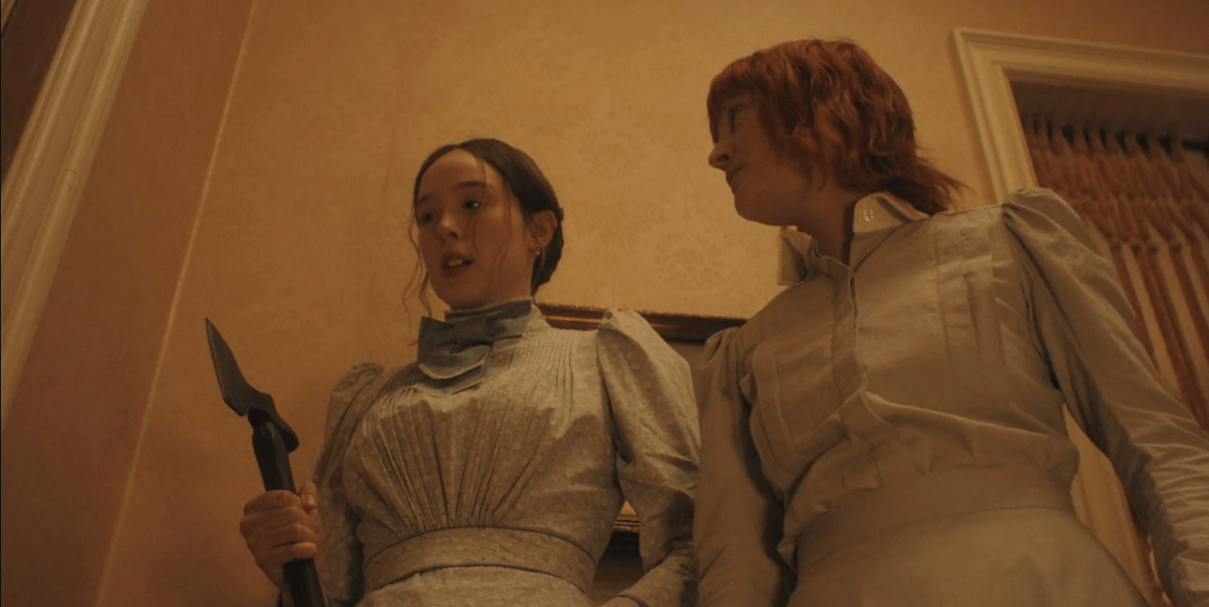
On August 11, Lizzie was arrested and jailed, with her trial taking place in June of 1893, and the prosecution presented evidence to connect her to the murders. A hatchet head found in the basement attracted considerable attention, although the prosecution reportedly did not conclusively establish it as the murder weapon, and testing did not provide definitive blood evidence linking it to the killings. The trial also focused on the dress Lizzie burned, as well as her movements inside and outside the house on the morning Andrew was killed. After an intense trial lasting several days, the jury returned a verdict of not guilty on both counts of murder on June 20, 1893.
The Show Takes Some Creative Liberty in Presenting Three Alternative Suspects
Following Lizzie Borden’s acquittal, no other suspects were ever charged with the crimes, and the case remains unsolved to this day. However, over the years, various theories of alternate suspects have gained attraction, based on a reexamination or reinterpretation of what is known about the crime and its subsequent investigation. Among the names that have entered public speculation is that of William Borden, a man who was alleged to be Andrew’s illegitimate son. Author Arnold Brown, who wrote ‘Lizzie Borden: The Legend, the Truth, the Final Chapter,’ claimed that William had tried to extort money from Andrew. However, Author Leonard Rebello later showed that William Borden was not Andrew’s son, undermining Brown’s theory.
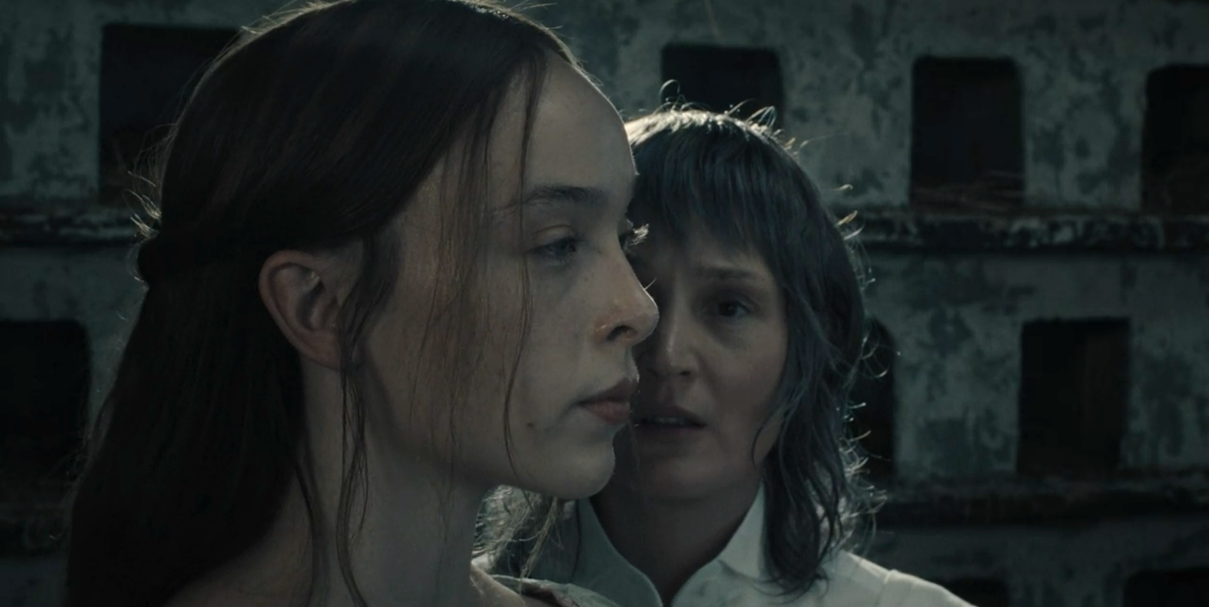
In the Netflix series, the character of William Borden is presented as one of three potential suspects other than Lizzie, with the other two being John Vinnicum Morse and an unnamed Portuguese immigrant. The latter is likely a nod to Jose Correa de Mello, who was convicted of the axe murder of Bertha Manchester, another resident of Fall River. Bertha’s death is depicted quite differently in the show, highlighting how fiction is used to present alternative accounts of what might have transpired. While Morse was officially treated as a suspect in the initial stages of the investigation, his alibi was corroborated, and he was never charged. Thus, the truth about what happened to Andrew and Abby Borden remains shrouded in mystery, having captured popular imagination for more than a century.
Read More: Were Nance O’Neil and Lizzie Borden Friends? Did Nance O’Neil Coach Lizzie for Her Trial?


You must be logged in to post a comment.